She Just Wanted to Stay Dry: How a Rainstorm Made One of Bowling's All-Time Greats
Photo: Steve Shook from Moscow, Idaho, USA, CC BY 2.0, via Wikimedia Commons
She Just Wanted to Stay Dry: How a Rainstorm Made One of Bowling's All-Time Greats
The weather forecast for Cincinnati on the afternoon of September 14, 1954, was not especially dramatic. Just a standard Midwestern late-summer storm — the kind that rolls in fast, drops its opinion on everything, and moves on. Most people caught in it ducked into whatever doorway was nearest and waited.
Dorothy Frazier ducked into Riverside Lanes on Reading Road.
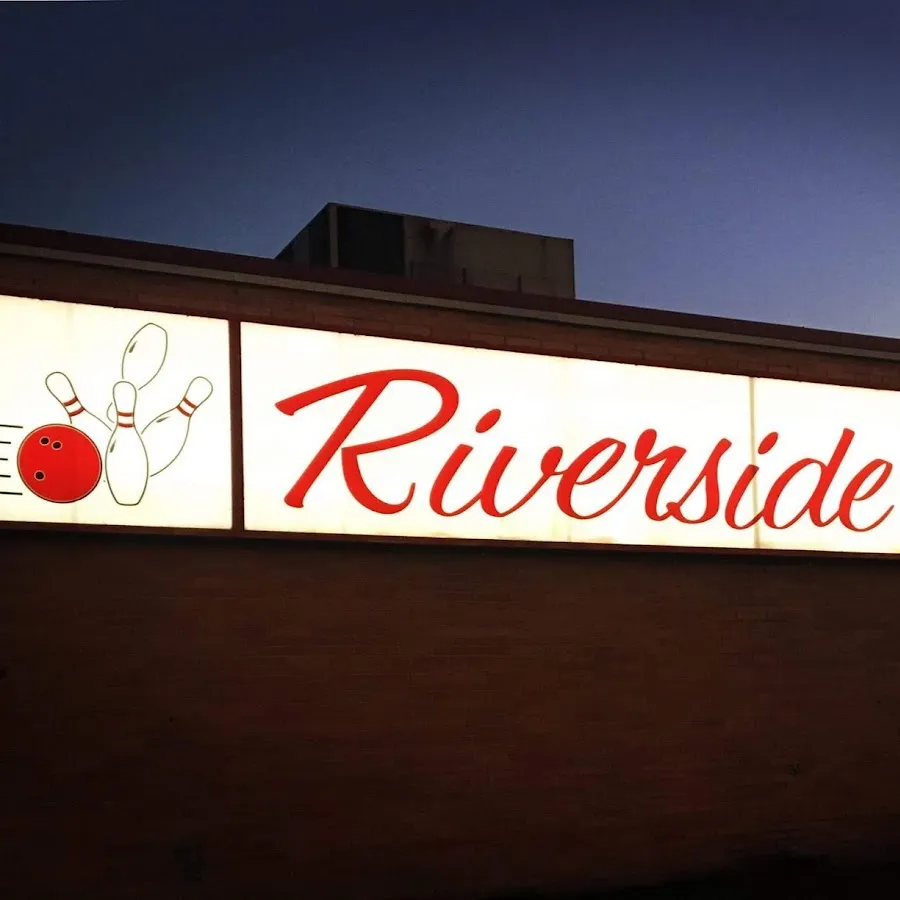 Photo: Riverside Lanes, via yt3.googleusercontent.com
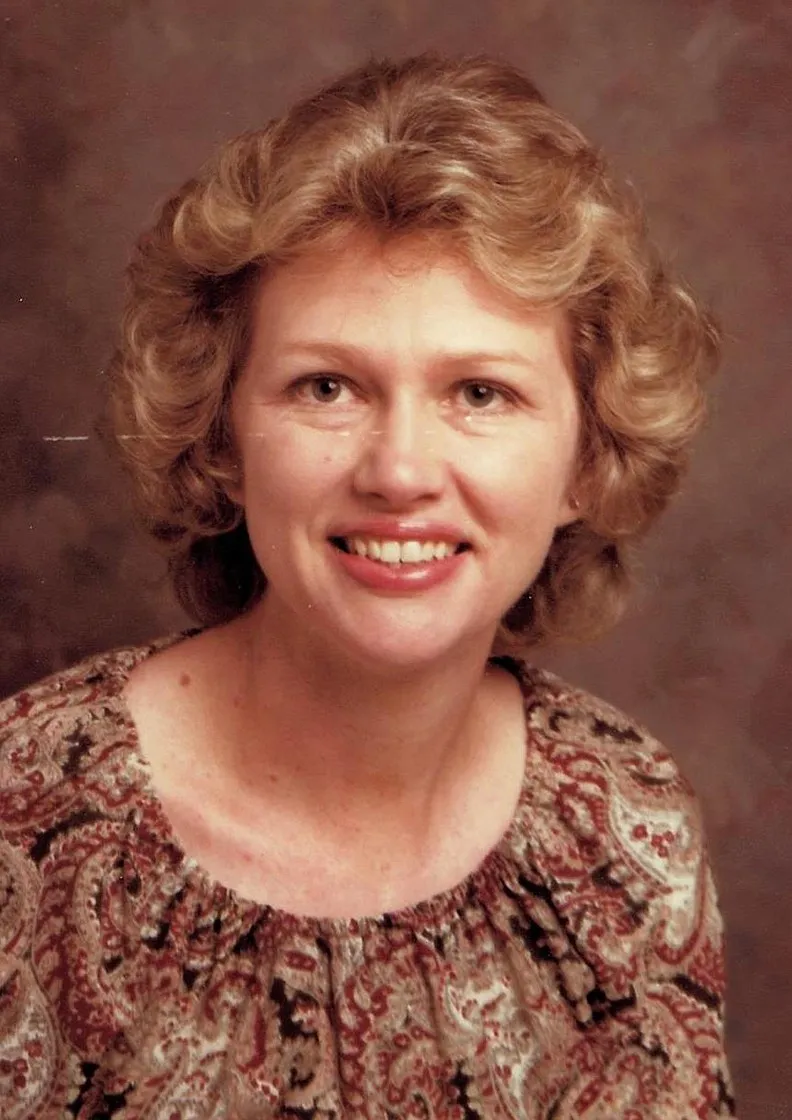 Photo: Dorothy Frazier, via wehco.media.clients.ellingtoncms.com
She had no particular feeling about bowling one way or the other. She was twenty-three years old, a secretary at an insurance firm, and her athletic biography to that point consisted of a brief flirtation with tennis in high school and a genuine, lasting love of walking. She was not, by any definition she would have applied to herself, a sports person.
But the rain was coming down hard, and the bowling alley was right there, and they had shoes in her size.
The First Frame
Frazier paid for a lane mostly out of social obligation — she felt awkward standing in the entryway without spending something — and laced up a pair of rental shoes that she would later describe as "the color of old mustard." A teenager behind the counter handed her a ball without much ceremony. She walked to the approach, squinted at the pins, and threw.
Strike.
She assumed it was luck. It wasn't.
By the end of her first game — played entirely without instruction, in a borrowed pair of mustard shoes, while rain hammered the roof — she had scored 178. The lane attendant came over to ask if she was sure she'd never bowled before. She showed him her hands, which had never developed the calluses that regular bowlers accumulate, and he shook his head slowly.
She bowled two more games before the rain stopped. She scored 165 and 171.
She went home and did not think about bowling for three days. Then she went back.
What the 1950s Bowling Alley Actually Was
To understand how Dorothy Frazier's story was possible, you have to understand what bowling meant in postwar America, because it was not what it means now.
In the 1950s, bowling was the sport. Not a niche pastime or a birthday party activity — a genuine mass-participation phenomenon that drew something like thirty million Americans to the lanes every week. Leagues ran six nights a week in every city in the country. Corporate teams competed against each other with a seriousness that would seem extreme today. Bowling alley construction boomed alongside the suburbs, and the sport became one of the primary social institutions of working- and middle-class American life.
For women especially, bowling leagues offered something rare in 1950s recreation: a competitive athletic outlet that was socially acceptable, affordable, and genuinely skill-based. The Women's International Bowling Congress had been organizing female competition since 1916, and by the time Frazier walked through that door in Cincinnati, women's bowling was a serious, structured world with real prize money, national tournaments, and athletes who trained with professional intensity.
Frazier had walked, entirely by accident, into one of the most accessible pathways to elite athletic competition that American culture had ever produced.
The League Years
She joined a Tuesday night league at Riverside six weeks after her rainstorm debut, at the suggestion of a woman named Pauline who bowled in the lane next to her and had been watching with undisguised fascination.
Frazier's early league career was characterized by something her teammates found both useful and slightly unnerving: she had no bad habits to unlearn. Most bowlers who come to the sport as adults arrive with a collection of self-taught compensations — a hitch in the backswing, a wrist that rolls wrong, a tendency to rush the approach. Frazier had none of that. She had started from nothing, which meant she was coachable in a way that experienced bowlers rarely are.
Her coach — a retired machinist named Harold who ran clinics at Riverside on Saturday mornings — told her later that working with her was like writing on a blank page. Everything he showed her, she absorbed and reproduced without the interference of old muscle memory.
By 1957, she was averaging 195. By 1959, she was representing Ohio at the national Women's International Bowling Congress tournament in Miami.
She finished fourth. She was furious about it for weeks.
The Peak Years
Frazier's competitive prime ran roughly from 1960 to 1971, a decade during which she accumulated a record that still generates genuine respect in the history of women's bowling. She won three WIBC titles, finished in the top ten at nationals eight times, and in 1966 rolled what was then one of the highest single-tournament averages ever recorded in women's competition.
She also became known for something that statistics don't fully capture: a quality of composure under pressure that her competitors found almost inhuman. Frazier bowled the same way in the tenth frame of a championship match as she did on a quiet Tuesday night in league play — methodical, unhurried, utterly unimpressed by the moment's weight.
When a sports journalist from the Cincinnati Enquirer asked her once how she managed not to get nervous, she looked at him for a moment and said, "I didn't come here to be a bowler. I came here to get out of the rain. It's hard to be too precious about something that started that way."
What She Left Behind
Frazier retired from competitive bowling in 1973 and spent the following decades coaching at the junior level, producing two national youth champions and one professional tour player who still credits her as the most technically precise instructor he ever encountered.
She was inducted into the Ohio Bowling Hall of Fame in 1989. Her acceptance speech was, by all accounts, brief, funny, and concluded with a sincere expression of gratitude to the unnamed storm system that had rolled through Cincinnati thirty-five years earlier.
"I've been lucky my whole life," she told the room. "Mostly because I've had the sense to come in out of the rain."
The Lesson the Lanes Teach
Dorothy Frazier's story is funny, and it's supposed to be. There is genuine comedy in the image of a woman becoming a Hall of Famer because she forgot to check the weather.
But the comedy sits alongside something real. Frazier's career is a reminder that talent doesn't always announce itself on a schedule that makes sense. Sometimes it waits quietly for the right accident — the wrong door, the borrowed shoes, the storm that breaks at exactly the right moment.
Greatness, it turns out, doesn't always require a plan. Sometimes it just requires getting wet enough to step inside.