Wrong Field, Right Destiny: Five Accidental Champions Who Found Glory in the Last Place They Expected

Sports history is full of athletes who trained obsessively, followed the plan, and arrived exactly where they intended. But then there's a quieter, more interesting group — the ones who got lost on the way to somewhere else and ended up somewhere better. A broken collarbone here, a scheduling conflict there, a coach who said try this instead, and suddenly a future Olympian is standing in front of a discipline they never studied, discovering they're somehow built for it.
These five athletes weren't recruited, groomed, or spotted early. They stumbled in. And then they took over.
1. The Sprinter Who Couldn't Stop Jumping
Before Willye White became a five-time Olympian in the long jump — a feat that spanned from 1956 to 1972 and made her one of the most durable athletes in American track and field history — she was just a Mississippi teenager trying to outrun everybody on a straight line. White grew up in Money, Mississippi, and her early ambition was simple: run fast, beat people, go home.
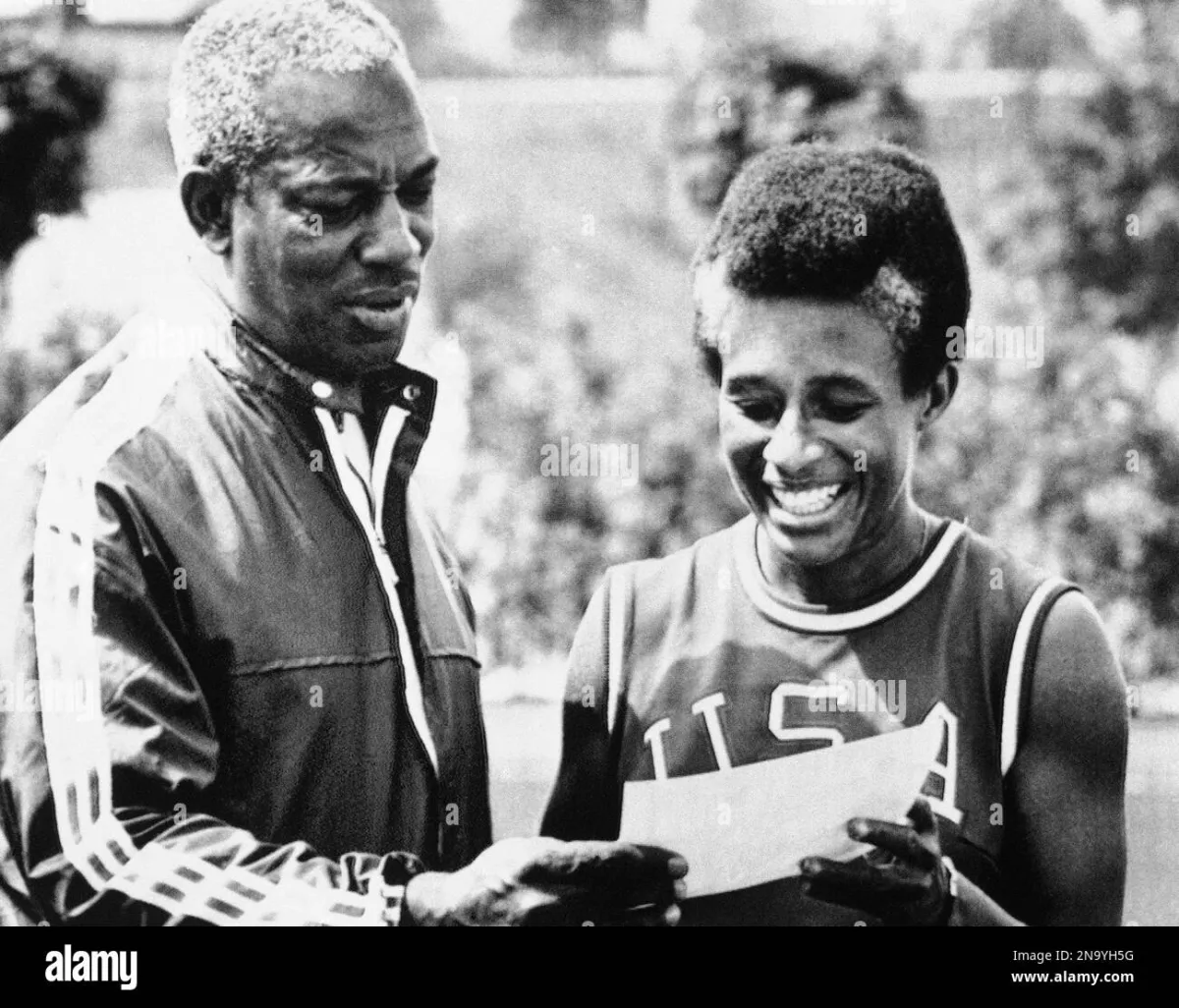 Photo: Willye White, via c8.alamy.com
The long jump found her almost by accident. At a regional meet, a coach needed bodies in the field events and pointed her toward the pit. She didn't overthink it. She ran, planted, and flew — and what she produced that day suggested a gift that pure sprinting might never have surfaced. She went on to become one of the most beloved figures in American track history, competing in five consecutive Olympic Games and mentoring generations of athletes. The sprint lane was her first love. The runway was her destiny.
2. The Wrestler Who Became an Unlikely Swimming Sensation
Eric Namesnik spent his early athletic years on the mat. Wrestling was his sport — physical, tactical, suffocating in its demands — and he was good at it. But a shoulder injury in his mid-teens forced him off the mat and into a pool for rehabilitation. His coaches suggested swimming as a low-impact alternative while he healed.
He never really left the water. Namesnik discovered an almost eerie aptitude for the individual medley — a grueling event that demands mastery across all four competitive strokes. He earned two Olympic silver medals, in 1992 and 1996, and was widely regarded as one of the finest IM swimmers of his generation. Wrestling gave him the engine. Swimming gave him the stage. The injury that ended one chapter quietly opened a far longer one.
3. The Baseball Kid Who Accidentally Invented a Bobsled Career
Herschel Walker is the most famous example of an athlete whose second sport shocked everyone — but the American bobsled tradition has its own quieter version of that story in Brian Shimer. Shimer grew up playing football and baseball in Alabama, with no particular relationship to ice, snow, or anything requiring a helmet on a frozen track. He was a decent college football player, fast and explosive, when a US Olympic Committee talent identification program essentially knocked on his door and said: have you ever considered bobsled?
He had not. He competed anyway. Shimer went on to represent the United States in five Olympic Winter Games — 1988 through 2002 — becoming one of the most decorated American bobsledders in history and eventually serving as the US team's head coach. The sport found him because someone was looking for athletes with his physical profile. He just had to say yes to a question he'd never thought to ask himself.
4. The Figure Skater Who Became a Speed Queen
Bonnie Blair is synonymous with speed skating — five Olympic gold medals, a legend of the ice, the most decorated American female Winter Olympian of the twentieth century. But Blair's first relationship with skating was the graceful, choreographed kind. As a young girl in Champaign, Illinois, she was drawn to figure skating, the spins and jumps and sequined storytelling that dominated the rink's prime hours.
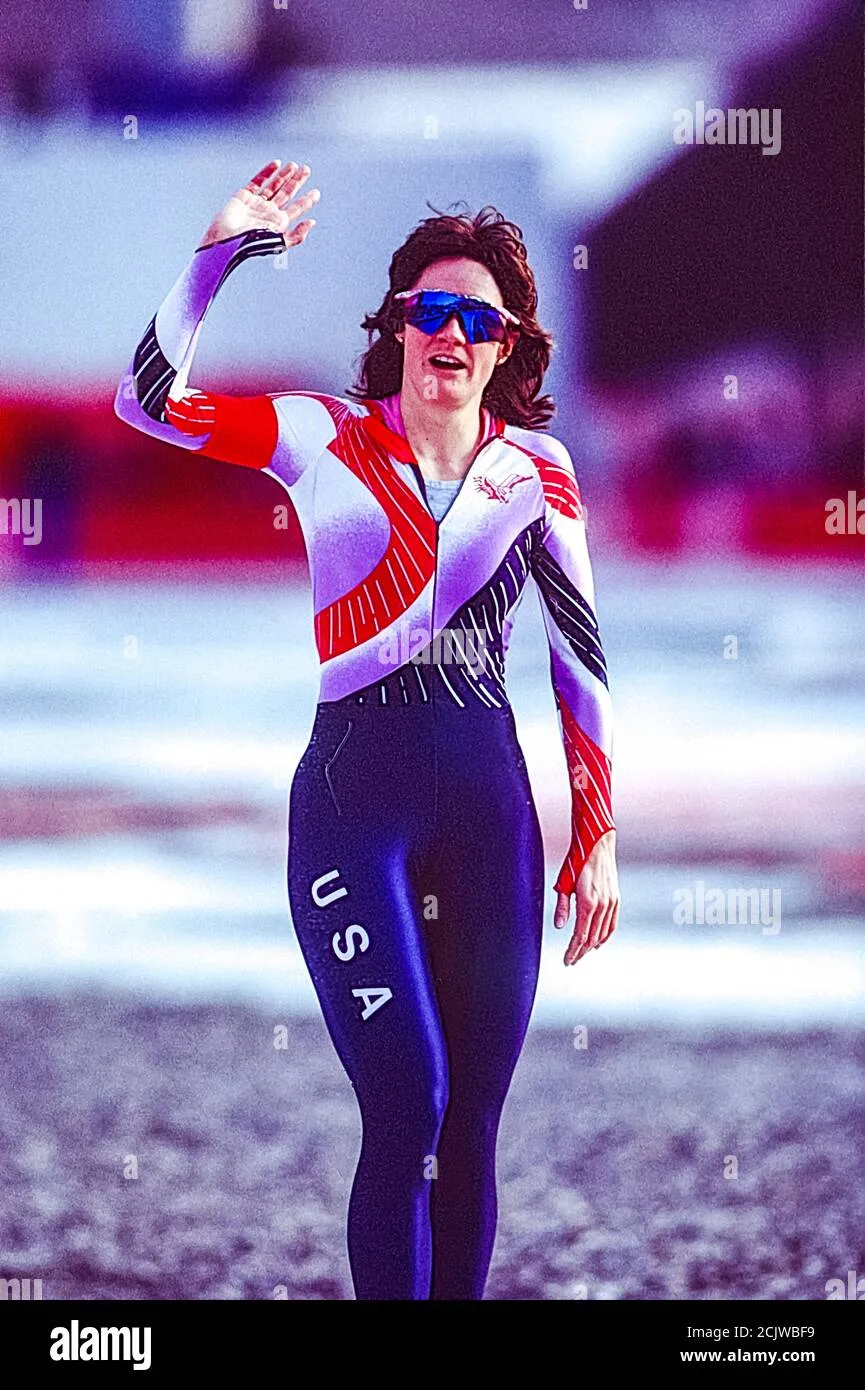 Photo: Bonnie Blair, via c8.alamy.com
It was her older siblings who nudged her toward the oval. They were speed skaters, and the family spent enough time at the track that Bonnie eventually pulled on a speed suit herself. The transition wasn't dramatic — no injury, no crisis, just a kid following her family around the rink and discovering that going fast in a straight line felt more natural than any spin she'd ever attempted. The rest, told across four Olympic Games and a career that redefined American winter sport, is exactly the kind of history that starts with my brothers were doing it.
5. The Gymnast Who Learned to Love the Water
Pat McCormick won four Olympic gold medals in platform and springboard diving — a double-double at consecutive Games in 1952 and 1956 that remains one of the most stunning achievements in American Olympic history. But before the pool, there was the gym floor. McCormick trained seriously as a gymnast in Southern California, developing the explosive body awareness and spatial instincts that would later make her nearly untouchable on the platform.
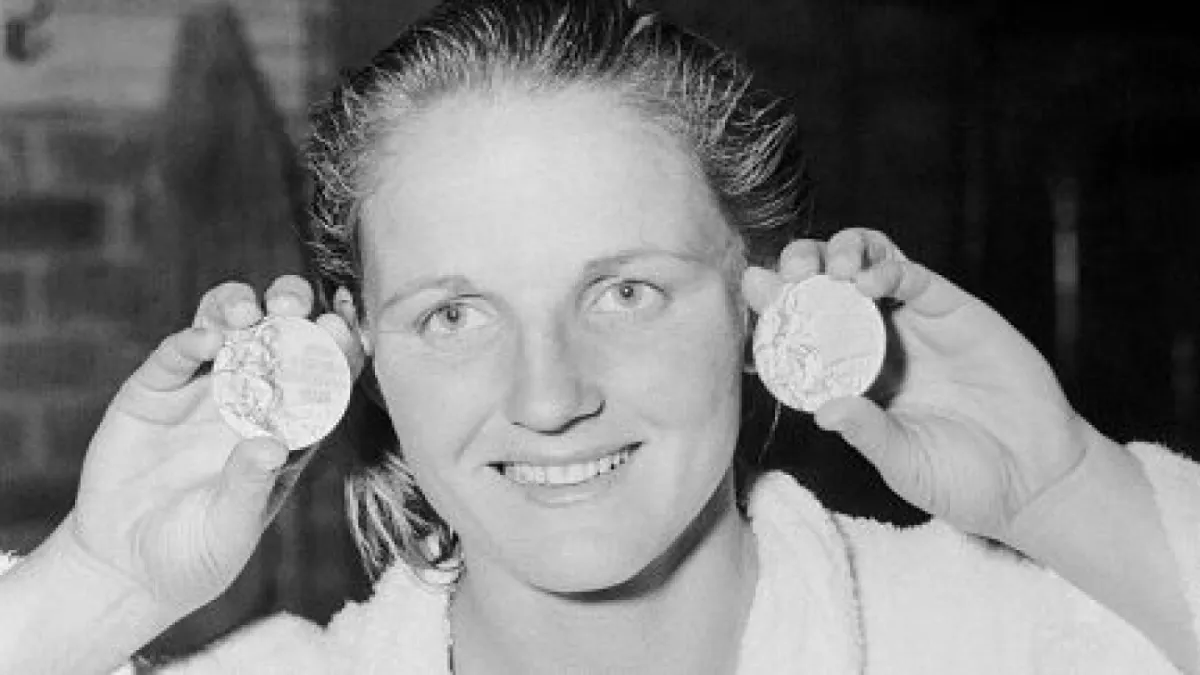 Photo: Pat McCormick, via nbcsports.brightspotcdn.com
Diving found her when a local coach watched her tumbling and suggested the pool might suit her better. McCormick wasn't resistant — she was curious. The gymnastics background gave her an advantage that purpose-built divers sometimes lacked: she understood her body in the air with a precision that was almost architectural. Four gold medals later, she was recognized as one of the greatest divers the country had ever produced. The gymnastics career she left behind was the foundation the diving career was built on.
The Accidental Blueprint
What connects these five athletes isn't talent alone — though they had it in abundance. What connects them is a willingness to follow the detour. Each one arrived at their defining sport through a side door: an injury, a sibling, a stranger with a clipboard, a coach who needed a body for the long jump pit. None of them had a ten-year plan that included where they ended up.
There's something quietly radical about that. Sports culture tends to celebrate the relentless specialist — the kid who picked a lane at age seven and never looked sideways. But these five suggest a different model: that greatness sometimes waits in the sport you haven't tried yet, in the event someone else suggested, in the pivot you didn't see coming.
The wrong sport, it turns out, is sometimes the one that was yours all along.