Raised Among the Dead, She Learned to Fight for the Living
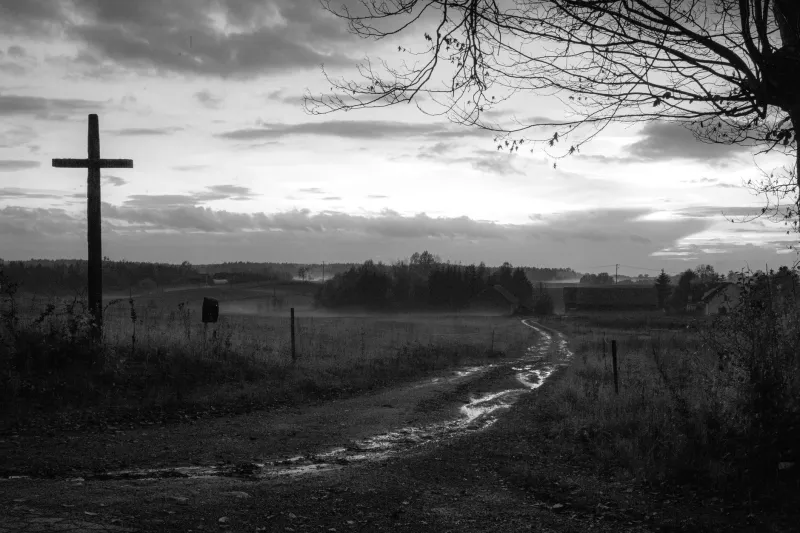
The cemetery sat at the edge of a dirt road outside Natchez, Mississippi, separated from the nearest town by six miles of pine trees and red clay. On most mornings before school, a girl named Loretta Mae Hollins was already out there with a shovel, helping her father prepare the ground for whoever the county had most recently lost.
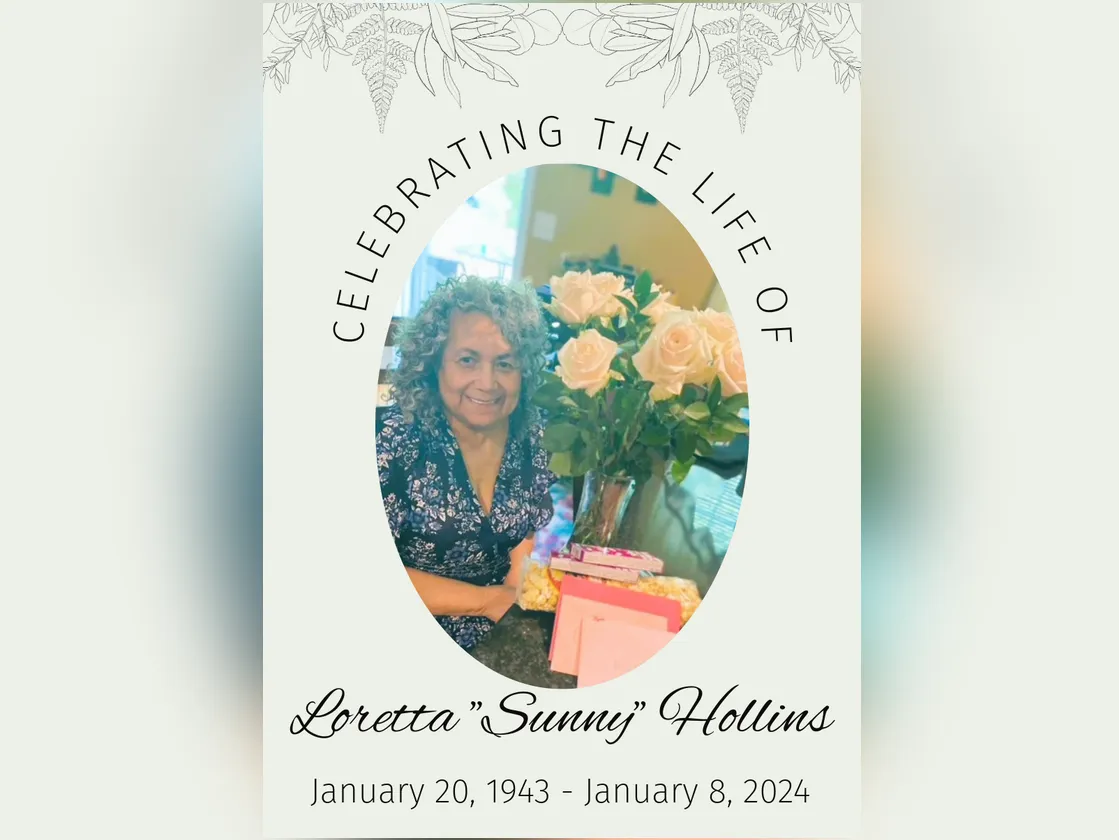 Photo: Loretta Mae Hollins, via everloved.com
 Photo: Natchez, Mississippi, via i.pinimg.com
She was not a sad child. That's the detail that surprises people when they hear this story. She was, by most accounts, remarkably composed — the kind of kid who could sit with a grieving widow one hour and run barefoot through the fields the next. What those years in the cemetery gave her wasn't melancholy. It was something far more useful: an instinct for dignity. For the particular silence of people who had been dismissed.
Loretta Hollins didn't walk into a courtroom until she was thirty-seven years old. She didn't graduate from law school until thirty-five. Before that, she had been, in rough order: a field hand, a school cafeteria cook, a night-shift nursing aide, a mother of two, and — for a remarkable stretch of eleven years — a paralegal at a small civil rights firm in Jackson, Mississippi, where she did the research that other people signed their names to.
 Photo: Jackson, Mississippi, via addictionresource.com
Her story is not about a prodigy. It's about what happens when the right person finally gets the right room.
The Education Nobody Assigned
Growing up, Hollins didn't have access to the kinds of enrichment that tend to appear in the origin stories of celebrated lawyers. There was no debate club, no mock trial, no ambitious parent pushing case law across the dinner table. What she had was her father, a man of almost no formal education who nonetheless possessed an extraordinary gift for eulogy.
Every Saturday, he would stand before whatever congregation had gathered and speak about the person in the casket. Not the sanitized version. The real one. The man who drank too much but showed up every harvest. The woman who never finished school but raised seven kids who did. He had a philosophy about it: You don't bury people twice. Once in the ground is enough.
Loretta absorbed that philosophy the way children absorb everything — without knowing she was absorbing it. She learned that the people most likely to be reduced to a single story were also the people most in need of someone willing to tell the complicated one.
That turned out to be the entire job description of a criminal defense attorney. She just didn't know it yet.
The Paralegal Years
She came to the law sideways, the way most people from her background did. A neighbor's son had been wrongfully convicted of armed robbery in 1987. The public defender had spent forty minutes on the case. Loretta spent four months, unpaid, pulling transcripts and interviewing witnesses until she found the inconsistency that eventually freed him.
The attorney who filed the motion hired her the following week.
For over a decade, she sat at the edge of other people's victories, contributing the architecture while someone else delivered the argument. She didn't resent it, exactly. But she noticed something in those courtrooms: the lawyers who frightened juries weren't always the most technically brilliant. They were the ones who understood grief. Who knew how to sit inside a difficult story without flinching and then hand it, intact, to twelve strangers.
She had been doing that since she was eight years old in a Mississippi cemetery.
She enrolled in night law school at thirty-two. Three years later, she passed the bar on her first attempt.
A Voice Built for Rooms Like That
Hollins's courtroom style defied every convention that law schools spend three years installing. She rarely raised her voice. She asked questions that seemed, at first, almost embarrassingly simple — and then landed somewhere the prosecution hadn't anticipated. Former colleagues describe her cross-examinations as surgical without the coldness. She made witnesses feel heard right up until the moment they realized they'd said too much.
One public defender who watched her work in the early 2000s put it plainly: "She doesn't attack. She just keeps asking questions until the truth gets tired of hiding."
Over a career spanning more than two decades, she took on cases that other attorneys declined — not because they were hopeless, but because they were complicated in ways that resisted clean narrative. Clients who were guilty of something, just not what they'd been charged with. Defendants whose lives were so tangled with poverty and circumstance that a jury needed a guide, not a lecture.
She became that guide. She'd been practicing the skill since before she knew it was a skill.
What the Cemetery Taught Her
In a 2019 interview with a legal journal, Hollins was asked about her unusual path. She paused for a long time before answering.
"My father used to say that the grave was the great equalizer," she said. "Everybody ends up the same size. But I watched him work his whole life to make sure people weren't treated that way while they were still breathing. That's what I do. I just do it in a different room."
There's a version of the American success story that requires a prestigious starting point — the right school, the right family, the right zip code. Loretta Hollins's story isn't that version. It's the one where the classroom is a cemetery on a dirt road outside Natchez, and the lesson is that every human life contains more than the worst thing that ever happened to it.
She learned that lesson young. She spent the rest of her career making sure juries understood it too.