She Dug Graves to Survive and Then Dug Into the Law to Change It
The Education Nobody Gave Her
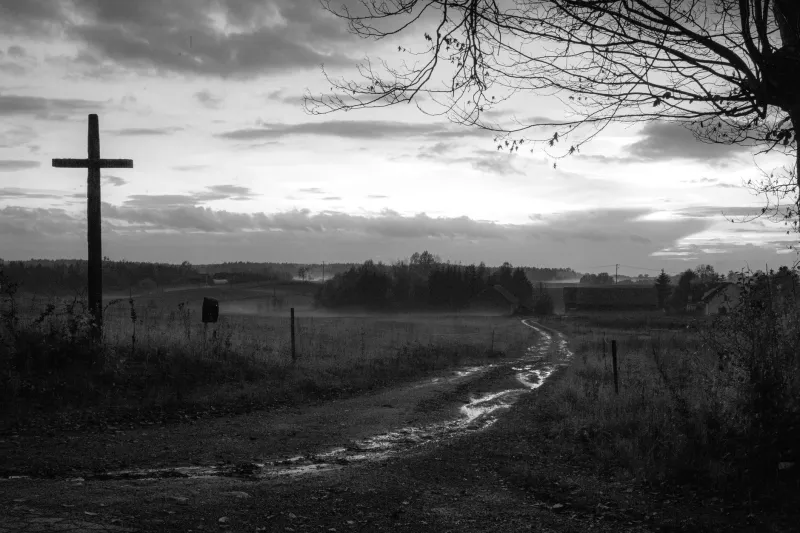
The graveyard where she grew up wasn't a metaphor. It was a real place — rows of headstones behind a small church in rural Georgia, where her father dug plots for a dollar-fifty apiece and she helped him from the time she could hold a shovel. Death was the family business, and poverty was the family condition. School was something that happened when the season allowed it, which wasn't often.
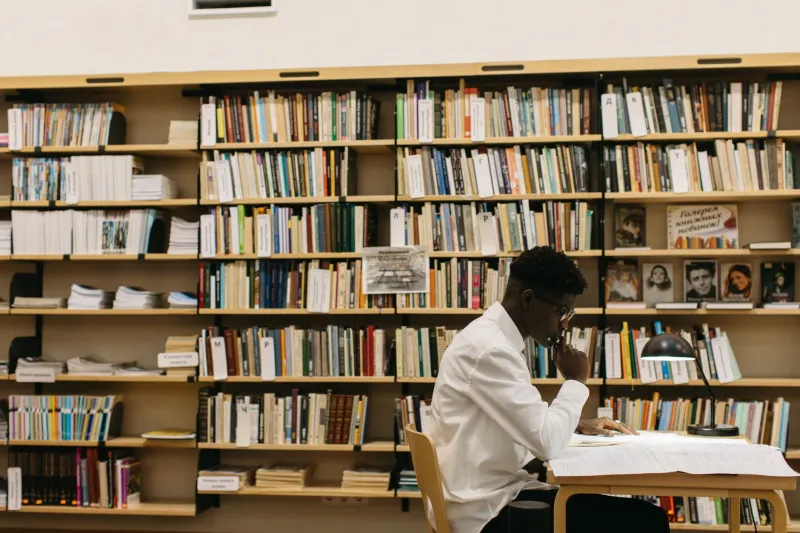
What she had instead was time. Time between funerals to read whatever she could find. Discarded newspapers. Donated Bibles. A water-warped copy of Blackstone's Commentaries on the Laws of England that someone had left in the church's lost-and-found box and never reclaimed. She read that book until the spine gave out entirely.
Most people who pick up Blackstone do it under fluorescent library lights with a professor waiting to explain the hard parts. She read it by lantern light with no one to ask and everything to figure out herself. That difference, it turned out, would matter enormously.
Grief as a Turning Point
Her father died when she was nineteen. The cause, officially, was a workplace accident. Unofficially, it was the kind of accident that happened routinely to Black laborers in the Jim Crow South — preventable, ignored, and met with a shrug by the county that might have intervened. The family received nothing. No compensation. No acknowledgment. A man had worked himself into the earth and the earth gave nothing back.
She didn't have the language for what had happened yet, but she knew it was wrong in a way that went beyond personal loss. She knew the system had a mechanism — a legal mechanism — and that someone, somewhere, understood how to use it. She decided she was going to become that someone.
There were no law schools that would take her. Not in her state. Not at that time. Not a woman, not Black, not without the preparatory credentials that required money she didn't have. The door wasn't just closed — it had been designed to look like a wall.
So she went around it.
Reading the Law From the Outside In
She found work as a domestic in a household whose patriarch happened to be a retired circuit judge. She cleaned his study. She also, quietly and methodically, read everything on his shelves. Case law. Procedural manuals. Bound volumes of state supreme court decisions going back forty years. He noticed eventually. Instead of firing her, he started leaving books out.
It was an unusual apprenticeship — unofficial, unrecognized, and deeply American in its improvised quality. She attended courtroom proceedings in her off hours, sitting in the back, watching how arguments were structured, where they succeeded, where they collapsed. She took notes in the margins of whatever paper she had. She read the notes back to herself at night like scripture.
By her late twenties, she knew more procedural law than most first-year associates at established firms. The difference was that nobody had handed her a credential to prove it.
The Cases That Couldn't Wait for Permission
She began doing what the law, technically, allowed anyone to do: she started helping people file their own paperwork. A wrongful eviction here. A denied veterans' benefit there. Families who couldn't afford representation and had no idea they had rights worth asserting. She charged nothing. She asked only that they tell others.
Word spread the way it always does in communities that have been failed by official channels — quietly, carefully, person to person. Her reputation grew not as a lawyer but as someone who understood the law better than the lawyers who were supposed to serve her neighbors.
The cases grew in scope because the injustices were large. By the time she was arguing before federal judges, she had developed something that formal legal training rarely produces: an instinct for the human cost behind every procedural question. She didn't argue law the way her opponents did, with the elegant detachment of people who had never personally needed the law to protect them. She argued it like someone who had buried the dead and understood exactly what was at stake when justice failed.
Standing Before the Highest Court
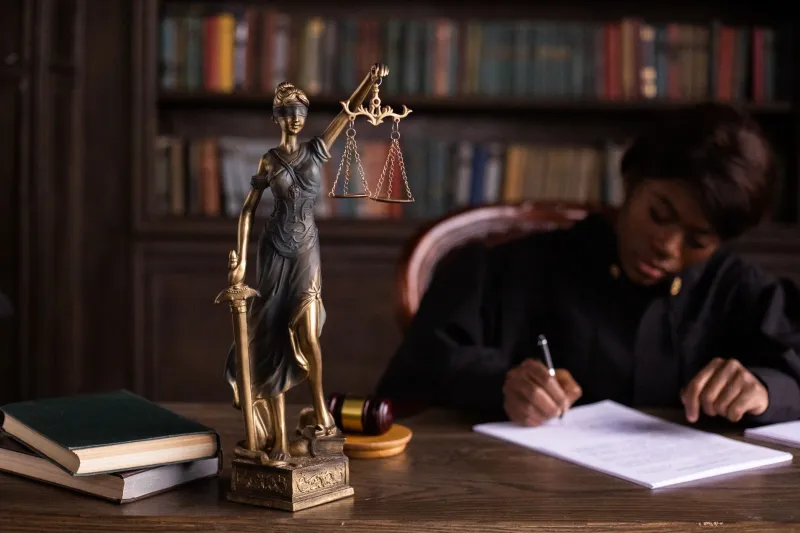
The case that brought her to the Supreme Court steps was a civil rights matter involving the systematic exclusion of Black residents from jury pools across multiple counties — a practice so entrenched it had become invisible to everyone except the people it was designed to erase. She had spent three years building the record, county by county, document by document.
The justices asked sharp questions. She answered them sharper. One account from a reporter in the gallery noted that she paused before each response not out of uncertainty but out of a kind of deliberate precision — as if she were selecting exactly the right tool for exactly the right job.
She won.
What Polished Lawyers Miss
There's a kind of knowledge that law schools don't teach because they can't. It's the knowledge of what it actually feels like when the system fails — not as an abstract case study but as a lived experience that reshapes how you understand every argument you make afterward. The attorneys she faced across courtrooms had sharper credentials and longer resumes. What they didn't have was her particular understanding of why the work mattered.
She had dug graves. She had watched her father's death go unanswered. She had cleaned a judge's study and taught herself the law by lantern light and sheer refusal. All of that was in the room with her every time she argued a case.
The law has never truly belonged only to those born into it. She spent a lifetime proving that. And the proof is written into American legal history, in opinions that still carry weight today — argued by a woman who was never supposed to be in the room at all.