From Death's Door to Dining's Crown: The Funeral Home Kid Who Redefined American Cuisine
The Silence That Taught Her Everything
Most future chefs learn their craft surrounded by the clatter of pots and the chaos of busy kitchens. Edna Lewis learned hers in the profound quiet of a Virginia funeral home, where precision wasn't just preferred—it was sacred.
 Photo: Edna Lewis, via freie-referate.de
At twelve years old, Lewis was already an apprentice to death itself. Her uncle's funeral parlor in Freetown, Virginia, became her unlikely classroom, where she learned that timing meant everything, that presentation could honor or disgrace, and that working with your hands required both reverence and skill. While other kids played outside, Lewis was learning to fold linens with hospital corners, to arrange flowers so they looked like they grew that way, and to move through sacred spaces without disturbing the peace.
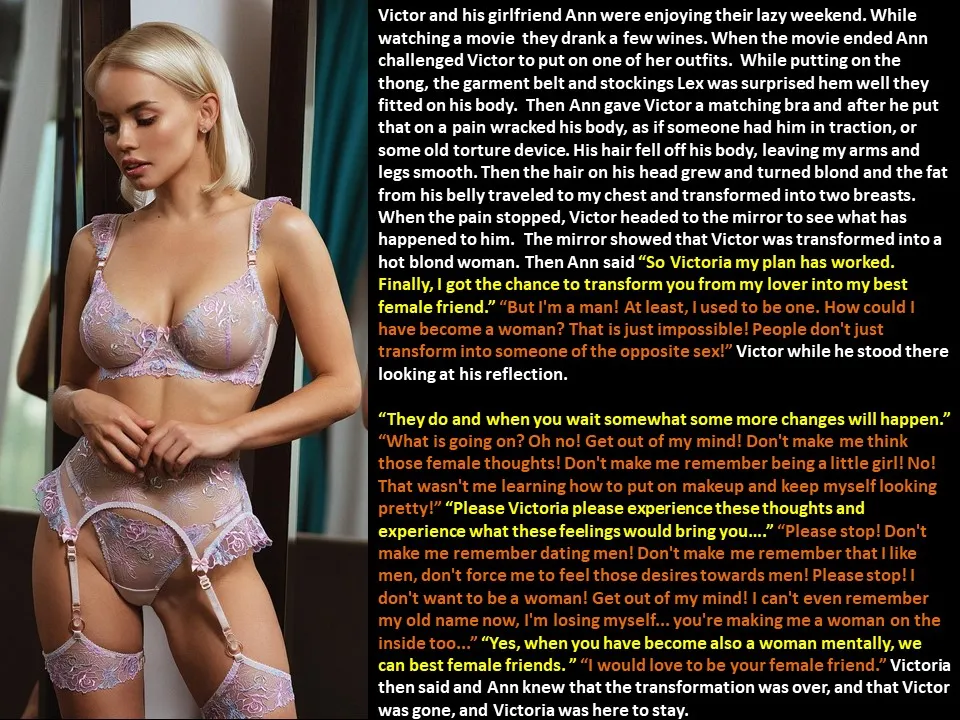 Photo: Freetown, Virginia, via images-wixmp-ed30a86b8c4ca887773594c2.wixmp.com
"You had to be perfect," Lewis would later recall. "There were no second chances when you were preparing someone's final goodbye."
These weren't typical childhood lessons, but they would become the foundation of a culinary philosophy that would eventually earn Lewis a James Beard Award and recognition as the most important voice in American Southern cuisine.
Where Poverty Meets Precision
Freetown wasn't just any small Virginia town—it was a community founded by freed slaves, including Lewis's own grandfather. Resources were scarce, but expectations remained high. In the funeral parlor, Lewis learned to make something beautiful from almost nothing, to stretch ingredients, and to understand that food wasn't just sustenance—it was ceremony.
The funeral home's kitchen served dual purposes: feeding the family and preparing meals for grieving families who couldn't cook during their darkest hours. Here, Lewis discovered that cooking wasn't just about following recipes—it was about reading people, understanding grief, and knowing exactly what comfort looked like on a plate.
"Every meal had to tell a story," she remembered. "Had to say something about care, about love, about understanding what people needed when they couldn't ask for it."
While segregation limited where young Black women could learn professional cooking, the funeral home became Lewis's inadvertent culinary school. She learned knife skills from preparing vegetables for large gatherings, developed her sense of seasoning by cooking for people whose taste buds were dulled by sorrow, and mastered the art of making food that could somehow ease pain.
The Patience of the Departed
The funeral business taught Lewis something most chefs never learn: the power of waiting. Bodies needed time to prepare properly. Families needed time to grieve. Food needed time to develop its flavors. In a world increasingly obsessed with speed, Lewis was learning the revolutionary concept of slowness.
This patience would later become her signature. While other chefs rushed to plate dishes, Lewis would wait for the perfect moment. While others used shortcuts and processed ingredients, Lewis insisted on doing everything from scratch, taking the time to coax maximum flavor from every component.
"Death teaches you that some things can't be hurried," she often said. "Good food is one of them."
By sixteen, Lewis had absorbed lessons that wouldn't appear in culinary textbooks for decades: that presentation was a form of respect, that consistency was a moral obligation, and that feeding people was one of the most sacred acts a person could perform.
From Freetown to Fine Dining
When Lewis finally left Virginia for New York City in the 1940s, she carried with her an unusual combination of skills. She understood flavor in ways that formal culinary training couldn't teach, but she also understood service, presentation, and the emotional weight of a meal.
Her first restaurant job was at a small café in Manhattan, where her unusual background initially seemed like a liability. Who wanted to eat food prepared by someone who learned to cook in a funeral home? But Lewis's food told a different story. Her dishes had a precision that spoke to years of practice where mistakes weren't tolerated. Her flavors had a depth that came from understanding how food could heal. Her presentations had a beauty that reflected years of making difficult moments more bearable.
The Michelin Star That Started in a Morgue
Decades later, when food critics tried to explain what made Lewis's cooking so extraordinary, they struggled to find the right words. Her technique was flawless, but so was that of many chefs. Her ingredients were impeccable, but she wasn't the only chef sourcing from local farms. What set Lewis apart was something harder to quantify: an understanding of food's deeper purpose that could only come from someone who had spent years preparing final meals, final presentations, final goodbyes.
When Lewis finally earned her Michelin star in 1976—one of the first Black women to achieve this recognition—the citation mentioned her "reverent approach to ingredients" and "ceremonial precision." The critics didn't know they were describing skills learned not in culinary school, but in a funeral parlor where a young girl had learned that some work is too important to do carelessly.
The Legacy of Unlikely Beginnings
Today, Lewis is remembered as the chef who brought Southern cuisine into fine dining, who proved that American food could stand alongside French and Italian traditions. But perhaps her greatest achievement was showing that extraordinary expertise can emerge from the most unexpected places.
Her cookbook, "The Taste of Country Cooking," remains a masterpiece not just of recipes, but of understanding how food connects to memory, tradition, and healing. Every page reflects the lessons learned in that quiet funeral parlor: that cooking is ceremony, that patience produces perfection, and that the most important meals are often the ones that help people through their hardest moments.
Edna Lewis proved that greatness doesn't always announce itself with fanfare. Sometimes it arrives quietly, carrying the wisdom learned in the most unlikely classrooms, ready to transform not just how we eat, but how we understand the sacred act of feeding one another.