Blueprint for Rebellion: The Gang Kid Who Built America's Most Beautiful Buildings

The Kid Nobody Expected
In 1929, when Frank Owen Goldberg was born in Toronto's working-class neighborhoods, nobody was placing bets on him becoming one of the world's most celebrated architects. His father sold slot machines and struggled with alcoholism. His mother worked multiple jobs to keep the family afloat. By the time they moved to Los Angeles when Frank was 17, he'd already learned that the world was unpredictable, unstable, and required constant improvisation to survive.
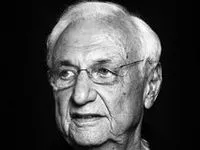 Photo: Frank Owen Goldberg, via i.pinimg.com
The teenage Frank didn't fit anywhere. Too Jewish for some crowds, too rough around the edges for others, he drifted between groups and found himself running with kids who solved problems with their fists rather than their minds. He got into fights, skipped school, and seemed destined for a life that would never make headlines—except maybe in the crime section.
But something happened in those chaotic years that would later revolutionize American architecture: Frank learned to see beauty in broken things.
When Destruction Becomes Construction
While his classmates were memorizing textbooks, Frank was studying the urban landscape around him. He watched how buildings crumbled and how new ones rose from empty lots. He noticed which structures felt alive and which felt dead. Most importantly, he began to understand that the most interesting spaces weren't the pristine ones—they were the places where different materials, different cultures, and different ideas crashed into each other and created something unexpected.
This wasn't the traditional path to architectural greatness. Most of his future peers were already sketching perfect classical columns and studying the masters of European design. Frank was learning a different language entirely: the vocabulary of improvisation, adaptation, and creative chaos that would later make him famous for buildings that seemed to dance, twist, and breathe.
After a stint in the Army and some aimless years driving trucks, Frank enrolled at USC's architecture program—not because he had a grand plan, but because he needed direction and building things had always made sense to him. Even then, his professors didn't quite know what to make of him. His designs were too wild, too unconventional, too influenced by the streets rather than the textbooks.
The Breakthrough That Almost Wasn't
Frank's early career was a series of false starts and small projects that barely paid the bills. He designed shopping centers and suburban houses while dreaming of something bigger. The architecture establishment largely ignored him. His designs were too experimental, too risky, too different from what serious architects were supposed to create.
But those years of rejection taught him something valuable: if the traditional path wasn't going to work, he'd have to build his own.
The breakthrough came in the 1970s when Frank started experimenting with unconventional materials—chain-link fencing, corrugated metal, plywood. These weren't the marble and granite of classical architecture; they were the materials of his childhood, the stuff of construction sites and urban decay. But in Frank's hands, they became something beautiful.
His own house in Santa Monica, completed in 1978, announced to the world that Frank Gehry had arrived. The design wrapped his existing pink bungalow in layers of corrugated metal and chain-link, creating spaces that felt both industrial and intimate. Architecture critics were divided—some called it brilliant, others called it an eyesore. But nobody could ignore it.
Building a Legacy from Broken Pieces
What followed was a career that redefined what American architecture could be. The Walt Disney Concert Hall in Los Angeles, with its flowing metallic curves, looked like nothing that had come before. The Guggenheim Museum in Bilbao, Spain, became a pilgrimage site for architecture lovers worldwide. Each building carried traces of that teenage kid who learned to see beauty in chaos.
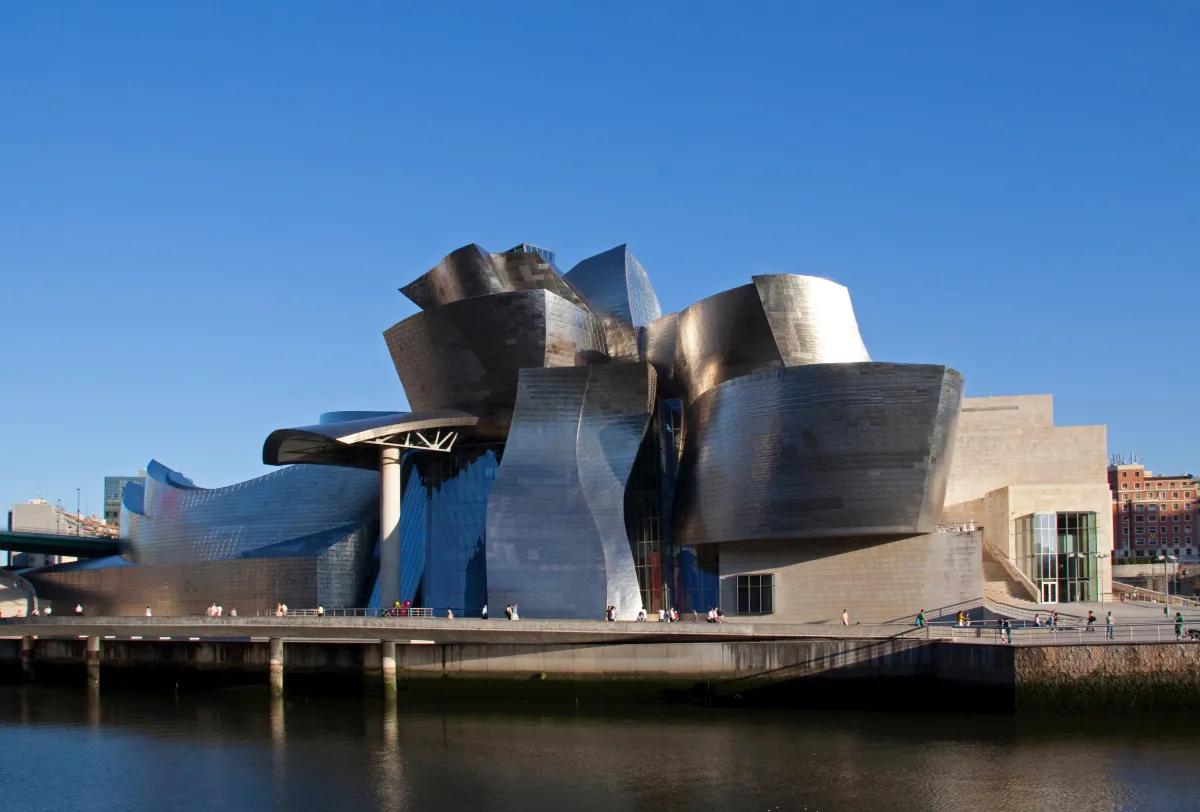 Photo: Guggenheim Museum, via tourtravelandmore.com
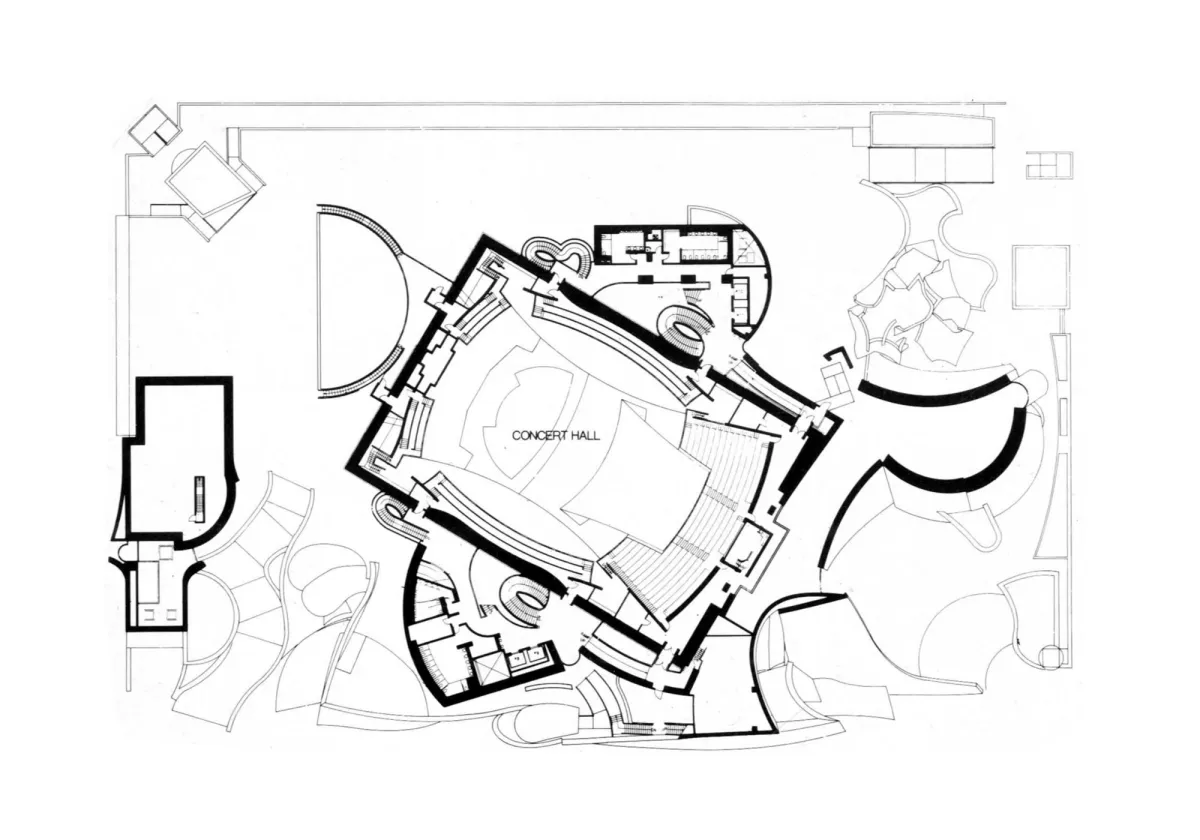 Photo: Walt Disney Concert Hall, via images.adsttc.com
Frank's buildings don't follow rules—they break them, bend them, and reassemble them into something entirely new. They capture movement in static materials, create spaces that feel emotional rather than merely functional, and prove that the most memorable architecture comes from architects who understand that perfection is often less interesting than inspired imperfection.
The Lesson in the Blueprint
Today, Frank Gehry is in his nineties, still designing buildings that surprise and delight. His childhood—marked by instability, cultural displacement, and economic uncertainty—didn't derail his genius. It created it.
The kid who learned to navigate chaos became the architect who taught buildings how to dance. The teenager who didn't fit into traditional categories became the designer who proved that the most beautiful structures come from minds that refuse to be contained by conventional thinking.
In a profession often dominated by privilege and pedigree, Frank Gehry's story reminds us that sometimes the most groundbreaking artists emerge from the most broken places. His buildings stand as monuments not just to architectural innovation, but to the idea that our greatest challenges often contain the seeds of our greatest triumphs.
Every time you see a building that seems to move, that captures light in unexpected ways, or that makes you smile for reasons you can't quite explain, you're seeing the influence of a kid from the wrong side of the tracks who refused to accept that beauty had to follow someone else's rules.