Canvas and Conservation: The Unknown Artist Who Painted America Into Protecting Itself
The Wanderer Nobody Wanted to Buy From
In 1847, a sixteen-year-old named Samuel Cartwright walked away from his family's steel mill in Pittsburgh with nothing but a canvas sack, three brushes, and enough paint tubes to last a month. His father called him a fool. His neighbors called him worse. But Samuel had seen something in the smoky hills outside town that he couldn't shake—a glimpse of untouched forest that made the industrial grime feel like a betrayal of something sacred.
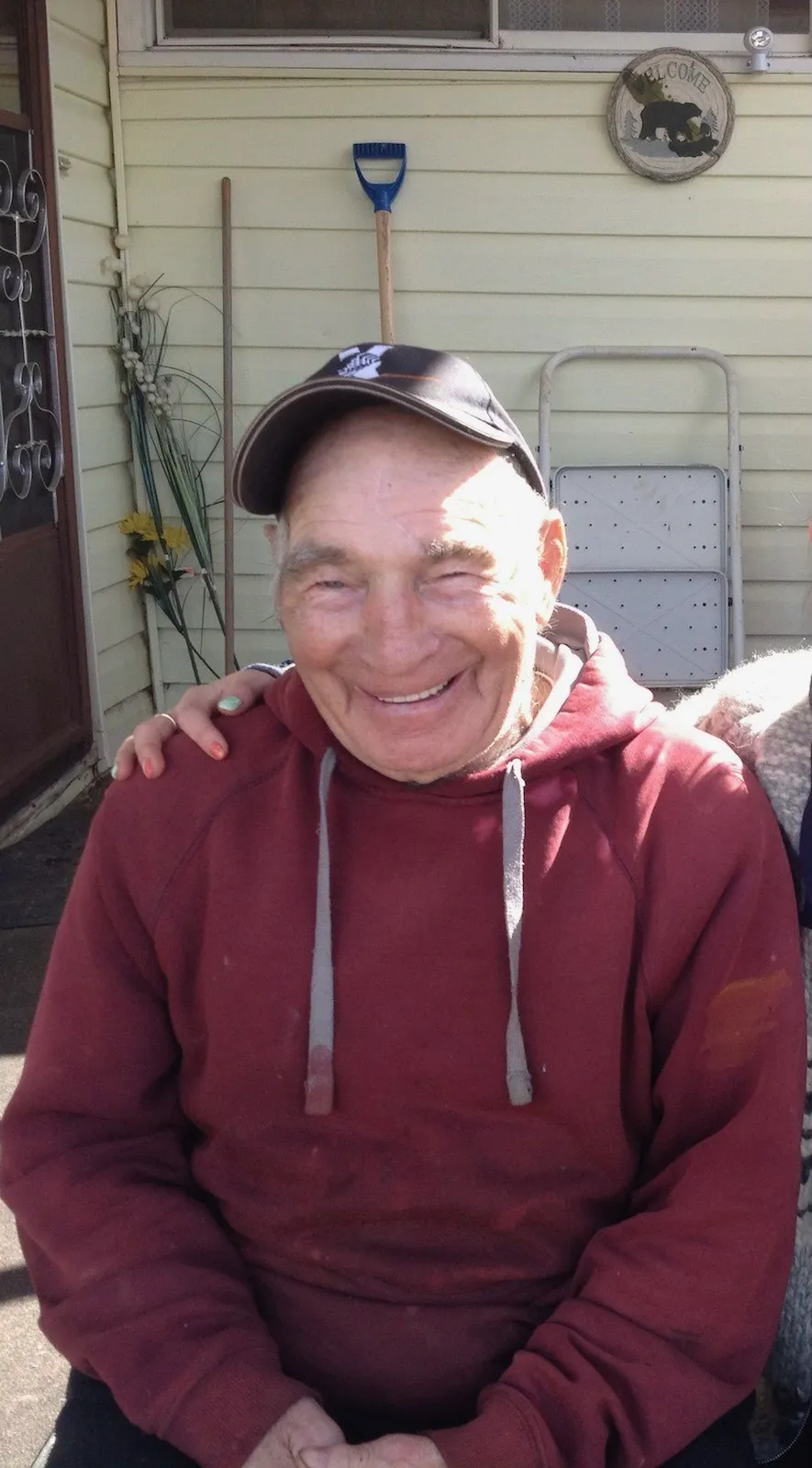 Photo: Samuel Cartwright, via d5nffgciuchtn.cloudfront.net
For the next forty years, Samuel would wander the American wilderness with the devotion of a monk and the business sense of a rock. He painted obsessively: the geysers of what would become Yellowstone, the impossible arches of Utah's red country, the cathedral groves of California's giant sequoias. His canvases captured America's natural wonders with a precision that bordered on scientific documentation, but his style remained stubbornly unfashionable. While East Coast galleries celebrated European-influenced landscapes, Samuel painted like a man trying to solve a puzzle—every rock formation rendered with geological accuracy, every tree species identified by its bark patterns.
Galleries wouldn't touch his work. Critics dismissed him as "a mere copyist of nature." Samuel didn't care. He kept painting, funding his expeditions by selling sketches to railroad companies and trading portraits for supplies in frontier towns.
The Paintings That Waited
By 1885, Samuel had created over 800 paintings of American wilderness areas. Most gathered dust in a Denver warehouse where he paid monthly storage fees with money earned from painting signs for general stores. He'd approached every major gallery from San Francisco to New York, always receiving the same polite rejection: his work was "too literal," "lacking in artistic interpretation," "more suitable for a natural history museum than a serious exhibition."
Samuel might have died in complete obscurity if not for a chance encounter in 1887. Dr. Ferdinand Hayden, the geologist leading government surveys of the western territories, happened to see several of Samuel's paintings in a Colorado Springs hotel lobby. Hayden was struck not by their artistic merit, but by their scientific accuracy. Here was visual documentation of landscapes that few Americans had ever seen, rendered with the precision of a field researcher.
Hayden bought twelve paintings on the spot and shipped them to Washington, D.C.
When Art Became Evidence
In 1890, Congress was debating the creation of something unprecedented: a system of national parks that would preserve wilderness areas "for the enjoyment of future generations." The concept was radical—setting aside potentially profitable land for no economic purpose beyond preservation. Lawmakers needed convincing.
That's when Samuel's paintings found their moment. Hayden had donated them to the Smithsonian, where they caught the attention of John Muir and other conservationists building the case for federal protection of wilderness areas. Unlike the romantic landscape paintings popular in galleries, Samuel's work served as visual testimony. His painting of Yellowstone's Grand Prismatic Spring showed the exact mineral formations and color variations that scientists were documenting. His rendering of Yosemite Valley captured geological details that helped lawmakers understand what they'd be protecting.
When the bill to establish Yellowstone as America's first national park reached the House floor, representatives passed around Samuel's paintings as evidence of what was at stake. One congressman later wrote that Samuel's "remarkably faithful depictions" helped him visualize "the magnitude of natural treasures we might lose to commercial exploitation."
The Accidental Conservationist
Samuel never intended to become a conservationist. He just painted what he saw, with an obsessive attention to detail that made his work invaluable to the preservation movement. His paintings of California's giant sequoias helped establish Sequoia National Park in 1890. His documentation of Colorado's mountain landscapes influenced the creation of Rocky Mountain National Park. His detailed studies of Utah's red rock formations provided visual evidence that contributed to the eventual protection of what became Zion and Arches national parks.
By the time Samuel died in 1903, the National Park Service didn't yet exist, but the foundation had been laid. His warehouse of "unsellable" paintings had become an unofficial archive of American wilderness, consulted by lawmakers, scientists, and conservationists building the case for preservation.
The Legacy Hidden in Plain Sight
Today, Samuel Cartwright's name appears on no park plaques or museum walls. His paintings, when they surface at all, are valued more as historical documents than artistic achievements. But his influence runs deeper than recognition. The detailed visual record he created helped shape how Americans understood their wilderness—not as empty land waiting for development, but as irreplaceable natural heritage worth protecting.
In an age when landscape photography was still primitive and expensive, Samuel provided the visual evidence that conservation needed. His "mere copying of nature" became the foundation for one of America's greatest cultural achievements: the idea that some places are too beautiful, too important, too essential to be bought and sold.
Samuel spent his life painting America's wild places before anyone thought to save them. In the end, his unfashionable devotion to accuracy over artistry helped ensure that future generations would have something left to save.