Against All Odds: Five Women Who Redefined What a Runner Looks Like
The Runners They Said Would Never Make It
In American distance running, there's an unofficial blueprint for success: start young, stay thin, train constantly, and never take a break. These five women threw that blueprint out the window—and rewrote the record books in the process.
Joan Benoit Samuelson: The Comeback Queen Who Wouldn't Stay Down
In 1984, just 17 days before the Olympic Trials, Joan Benoit's right knee gave out. Doctors told her she needed surgery immediately—and that her Olympic dreams were over. At 27, she was already considered past her prime for distance running.
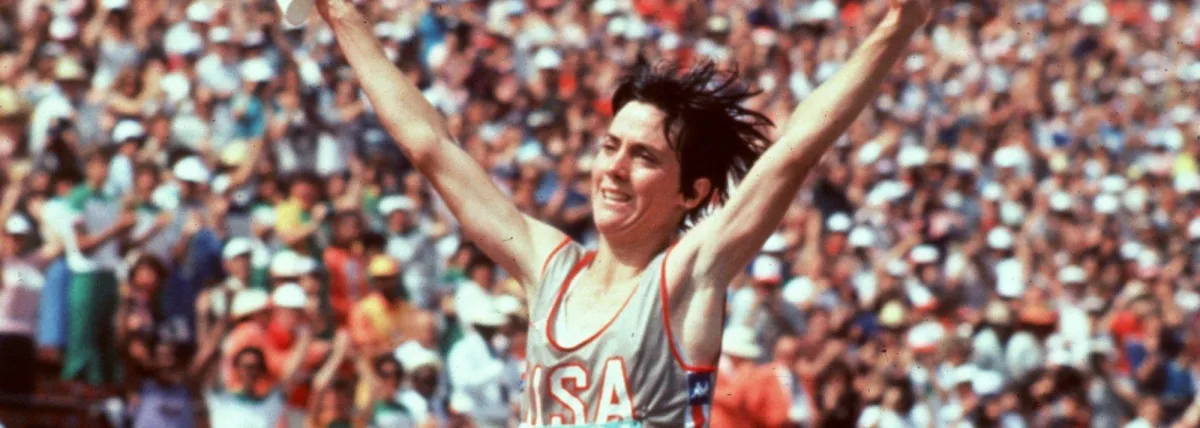 Photo: Joan Benoit Samuelson, via assets.aws.worldathletics.org
Joan had other plans.
She underwent arthroscopic surgery and convinced her doctors to let her try a comeback that seemed impossible. While other runners were fine-tuning their race strategies, Joan was learning to walk again. When she showed up to the Trials, nobody expected her to even finish, let alone compete for a spot on the team.
She won the Trials by over a minute.
Three months later in Los Angeles, Joan became the first woman to win an Olympic marathon, crossing the finish line with a lead so commanding that she had time to wave to the crowd and adjust her cap before entering the stadium. The woman they said was finished had just begun.
Meb Keflezighi's Training Partner: Deena Kastor's Late-Blooming Brilliance
Deena Kastor didn't win her first major marathon until she was 31—an age when most distance runners are already planning their retirement parties. For years, she'd been a solid but unremarkable middle-distance runner, the kind of athlete who made teams but never made headlines.
Everything changed when she decided to move up to the marathon distance that everyone said she was too small to handle. At 5'4" and barely 100 pounds, Deena looked more like a high school cross-country runner than a world-class marathoner. Critics pointed out that successful marathoners needed more muscle mass, more physical presence, more of everything Deena didn't have.
They were wrong about everything.
In 2004, at age 31, Deena ran 2:21:16 in London—an American record that stood for 15 years. She followed that with an Olympic bronze medal in Athens, proving that sometimes the best things come to those who wait, work, and refuse to listen when others say they're too small to succeed.
Kara Goucher: The Runner Who Came Back From Broken
By 2011, Kara Goucher's career looked over. Injuries had derailed her training. A messy split with her coach left her without support. At 33, she was dealing with the kind of setbacks that end careers, not launch them.
Most athletes would have quietly retired.
Kara moved back to her home state of Colorado, started working with a new coach, and began the slow process of rebuilding everything from scratch. The running world had moved on—younger athletes were setting records, winning races, and getting the sponsorship deals that used to be hers.
But Kara wasn't running for the world anymore. She was running for herself.
In 2017, at age 39, she qualified for her third Olympic Trials and ran a marathon time that would have won medals at previous Olympics. She'd become living proof that comebacks don't have expiration dates and that sometimes the most meaningful victories happen long after the cameras stop rolling.
Shalane Flanagan: The Distance Convert Who Rewrote the Rules
For most of her career, Shalane Flanagan was known as a track runner—fast over shorter distances but supposedly lacking the endurance for marathon success. When she announced her intention to focus on the 26.2-mile distance, conventional wisdom suggested she was making a mistake.
Marathoners, the experts said, needed to be built differently. They needed to be comfortable with sustained suffering over long periods. Track runners like Shalane were too used to speed, too accustomed to races that were over in minutes rather than hours.
Shalane spent years proving them wrong, one mile at a time.
Her breakthrough came at age 36 in the 2017 New York City Marathon, where she became the first American woman to win in 40 years. The victory wasn't just personal—it was a statement that athletic careers don't have to follow predictable arcs and that sometimes the best chapters come after everyone assumes the story is over.
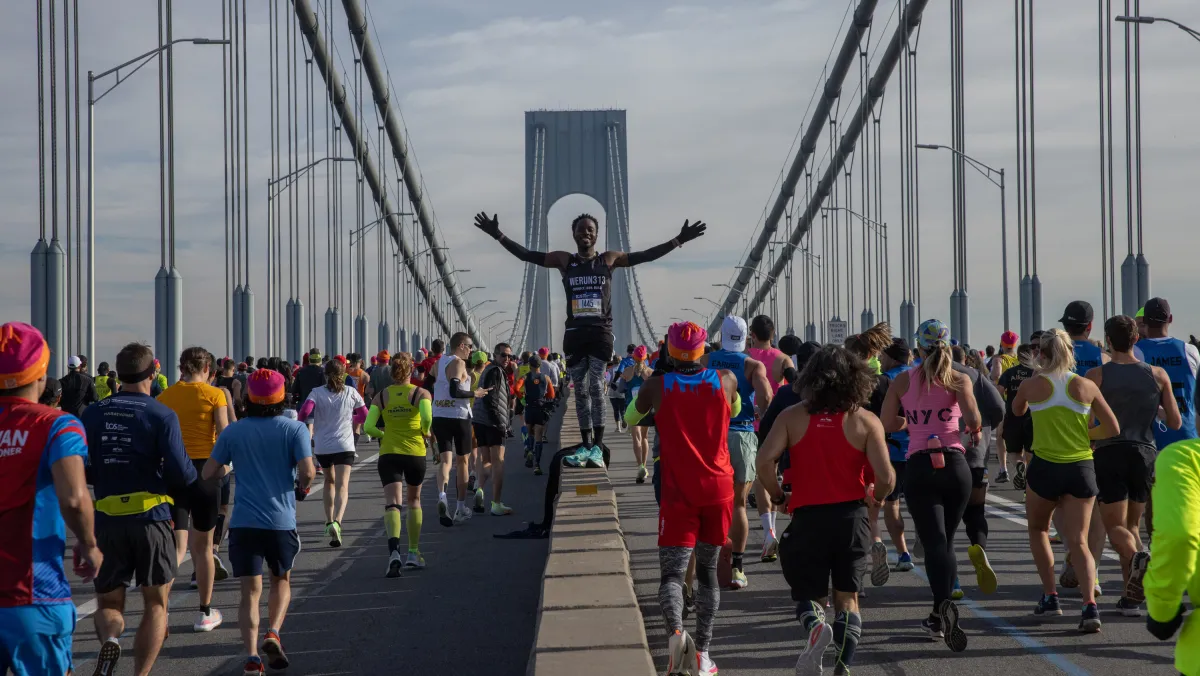 Photo: New York City Marathon, via static01.nyt.com
Molly Seidel: The Anxious Perfectionist Who Found Freedom in 26.2 Miles
When Molly Seidel lined up for the 2020 Olympic Marathon, she'd only run two marathons in her entire life. Most elite marathoners spend years building up to Olympic competition, running dozens of 26.2-mile races to perfect their strategy and endurance.
Molly had run two. And one of them was a disaster.
But what Molly lacked in marathon experience, she made up for in pure determination and a willingness to embrace uncertainty. While other runners obsessed over perfect pacing strategies and detailed race plans, Molly approached the marathon with the kind of fearless curiosity that comes from having nothing to lose.
In Tokyo, running in only her third marathon ever, she won the bronze medal.
Her victory proved that sometimes the best preparation for success isn't more experience—it's the courage to attempt something that seems impossible and the wisdom to trust that your body and mind will figure it out along the way.
The Finish Line Truth
These five women share more than just impressive race times. They prove that the narrow definitions of athletic potential—too old, too small, too inexperienced, too broken—often miss the point entirely.
Champions don't always look like what we expect them to look like. Sometimes they're comeback stories. Sometimes they're late bloomers. Sometimes they're athletes who refuse to accept that their best days are behind them.
And sometimes, the most inspiring victories come from runners who were never supposed to win in the first place.