Five Champions Who Were Cut, Benched, or Laughed Off Before They Were Legends: The List That Will Make You Rethink Every Rejection

The Rejection That Redefined Everything
We all know the Michael Jordan story — cut from his high school varsity basketball team, used the rejection as fuel, became the greatest player of all time. It's a neat narrative, but it's also become sports cliché. The real stories of athletic resurrection are messier, more brutal, and far more instructive about what it actually takes to rebuild from genuine failure.
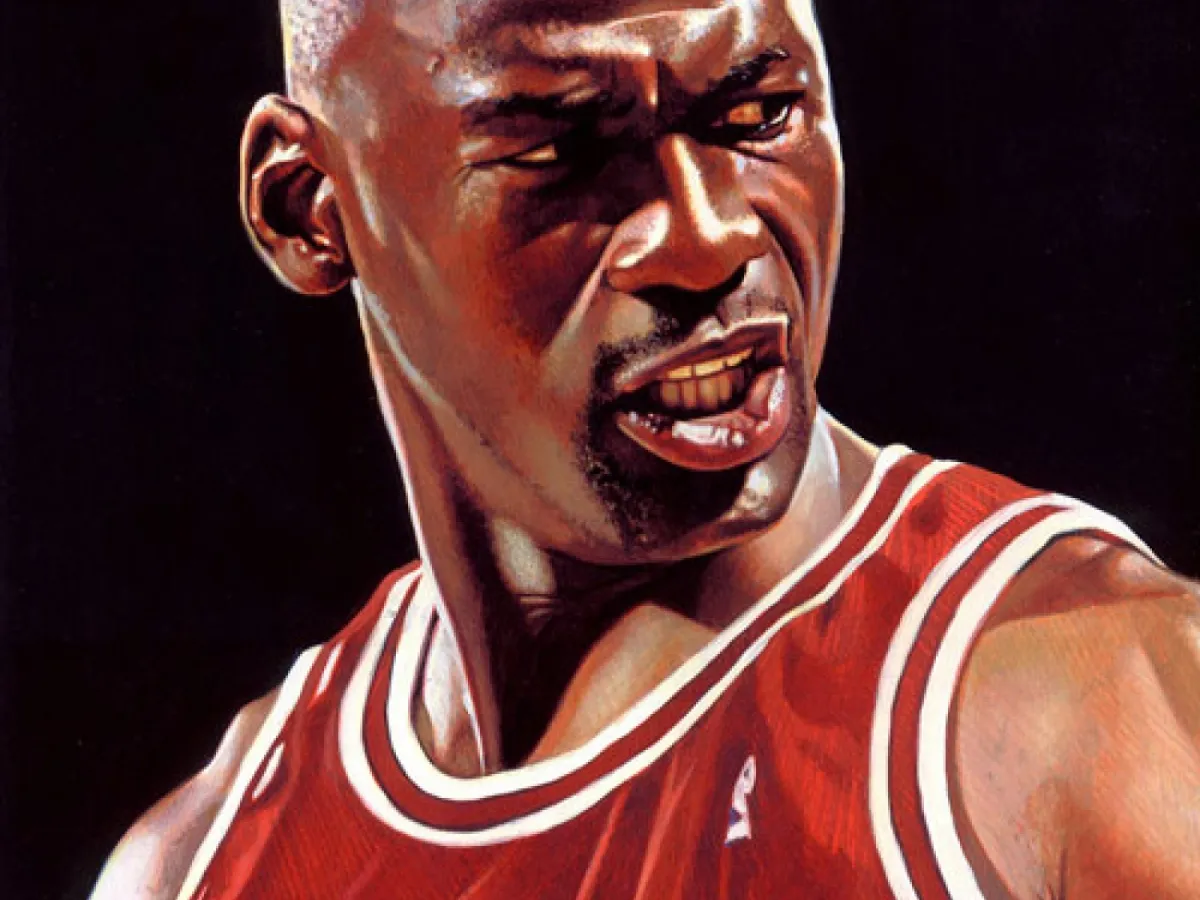 Photo: Michael Jordan, via eskipaper.com
These five athletes didn't just face setbacks. They were told, in no uncertain terms, that they didn't belong. Their comebacks weren't just about proving doubters wrong — they were about fundamentally reimagining what was possible.
1. Kurt Warner: From Grocery Aisles to Super Bowl Glory
The Rejection: After an unremarkable college career at Northern Iowa, Warner went undrafted in 1994. The Green Bay Packers invited him to training camp, then cut him before the season started. He was told he wasn't good enough for the NFL and should find another career.
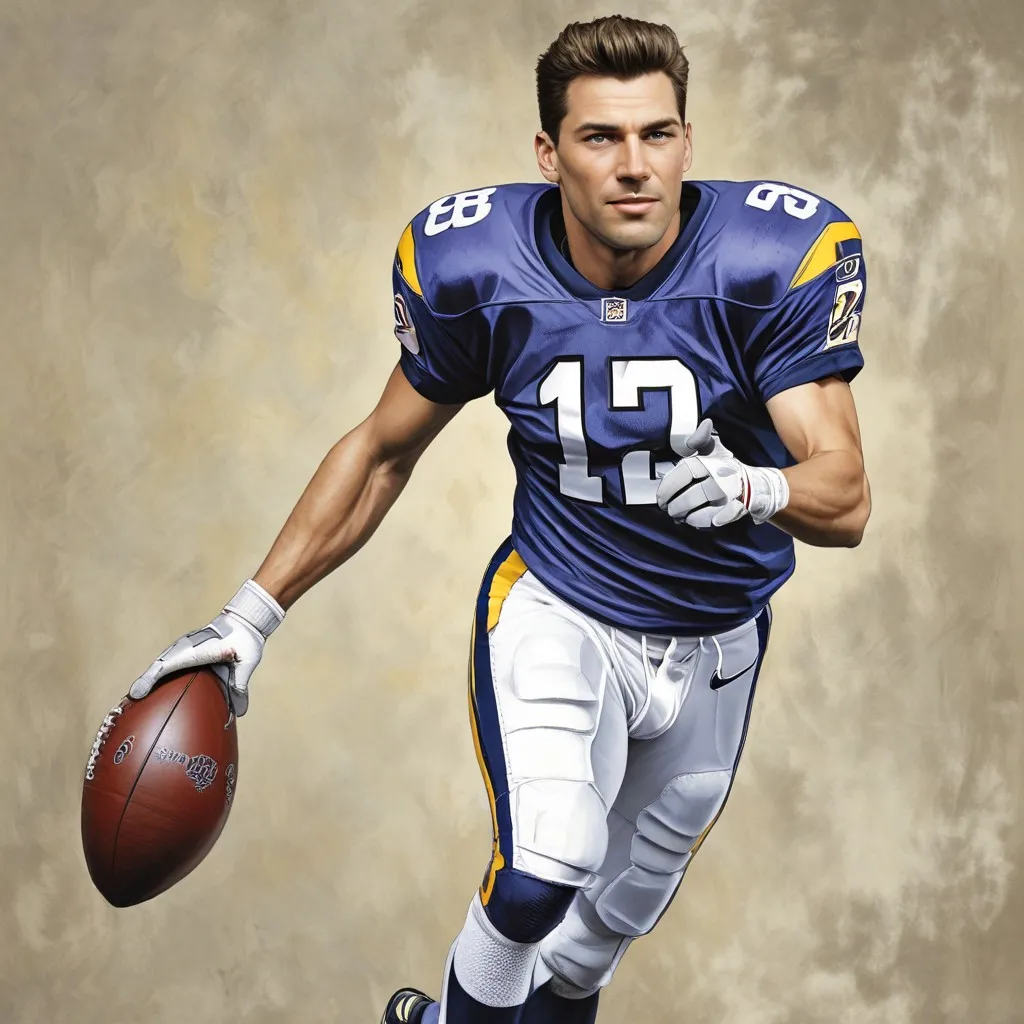 Photo: Kurt Warner, via photostylelab.com
The Wilderness Years: Warner stocked shelves at a Hy-Vee grocery store in Cedar Falls, Iowa, for $5.50 an hour. He worked the night shift, unloading trucks and organizing inventory while his former teammates were playing professional football. During breaks, he would practice throwing motions between the cereal aisles.
The Rebuild: Instead of accepting his fate, Warner used his grocery store job as motivation. He joined the Arena Football League, where he dominated indoor football for three years, developing an incredibly quick release and pinpoint accuracy in tight spaces. When the NFL's European league offered him a chance, he took it, spending a season in Amsterdam perfecting his craft.
The Resurrection: In 1998, the St. Louis Rams signed Warner as a backup quarterback. When starter Trent Green got injured in preseason, Warner stepped in and led the Rams to a Super Bowl victory, throwing for over 4,000 yards and earning MVP honors. The grocery store clerk had become the best quarterback in football.
The Lesson: Warner's story isn't about talent being overlooked — it's about using rejection as a laboratory for improvement. Those years in Arena Football and NFL Europe weren't detours; they were graduate school.
2. Draymond Green: The Emotional Engine Nobody Wanted
The Rejection: Despite being a standout at Michigan State, Green was considered too small for power forward and too slow for small forward. NBA scouts called him "tweener" — basketball's kiss of death. He was drafted 35th overall in 2012, deep into the second round where most players never make meaningful contributions.
The Wilderness Years: Green spent his rookie season mostly on the bench, watching the Golden State Warriors struggle through another mediocre season. Coaches questioned his shooting, his size, his attitude. He was nearly traded multiple times and sent to the Development League.
The Rebuild: Instead of changing his game to fit traditional positions, Green doubled down on what made him different. He studied film obsessively, learning to anticipate plays before they developed. He transformed his perceived weaknesses — his size, his intensity, his emotional volatility — into weapons.
The Resurrection: Green became the defensive anchor and emotional engine of one of the greatest dynasties in NBA history. His "tweener" status became revolutionary — he could guard all five positions, quarterback the defense, and provide the intensity that turned talented teams into champions. Four NBA championships later, scouts study Green's game to find the next "positionless" player.
The Lesson: Green proved that the qualities that make you "wrong" for today's game might make you perfect for tomorrow's evolution.
3. Misty May-Treanor: The Indoor Player Who Conquered Sand
The Rejection: May-Treanor was a standout indoor volleyball player at UCLA, but when she graduated in 1998, professional indoor volleyball for women barely existed in America. She was told her career was essentially over at 21.
The Wilderness Years: Beach volleyball seemed like a consolation prize — a recreational sport for former indoor players who couldn't let go. May-Treanor had never played serious beach volleyball and was starting from scratch against athletes who had been training in sand their entire careers.
The Rebuild: May-Treanor approached beach volleyball like a scientist, studying how sand affected movement, timing, and strategy. She spent hours learning to read wind patterns, adjust her technique for outdoor conditions, and develop the mental toughness required for a sport with no substitutions and no timeouts.
The Resurrection: Partnering with Kerri Walsh, May-Treanor dominated beach volleyball for nearly a decade. They won three consecutive Olympic gold medals (2004, 2008, 2012) and lost only one set in three Olympics combined. The indoor player who had nowhere to go became the greatest beach volleyball player in history.
The Lesson: Sometimes the door that closes forces you toward the path you were always meant to take.
4. Rich Strike: The Longshot That Rewrote Horse Racing
The Rejection: Rich Strike wasn't even supposed to be in the 2022 Kentucky Derby. He was an alternate entry who only got in because another horse scratched at the last minute. At 80-1 odds, he had the worst betting line of any Derby winner since 1913.
The Wilderness Years: Rich Strike had won only one race in eight career starts before the Derby. He was considered so unlikely that most serious handicappers didn't even include him in their analysis. His jockey, Sonny Leon, had never ridden in the Kentucky Derby.
The Rebuild: Trainer Eric Reed focused on Rich Strike's unconventional running style rather than trying to change it. While other horses trained for speed, Rich Strike trained for endurance and timing. Reed believed the horse's patience and late-closing ability could be assets in a chaotic 20-horse field.
The Resurrection: Rich Strike sat patiently in 18th place for most of the race, then unleashed a spectacular closing kick in the final quarter-mile to win by three-quarters of a length. It was one of the biggest upsets in sports history.
The Lesson: Sometimes being overlooked is the greatest advantage of all — it gives you the freedom to run your own race.
5. Diana Taurasi: The High School Benchwarmer Who Became Basketball Royalty
The Rejection: Despite her eventual greatness, Taurasi barely played varsity basketball as a high school freshman and sophomore in California. Coaches thought she was too undisciplined, too emotional, and too willing to take bad shots.
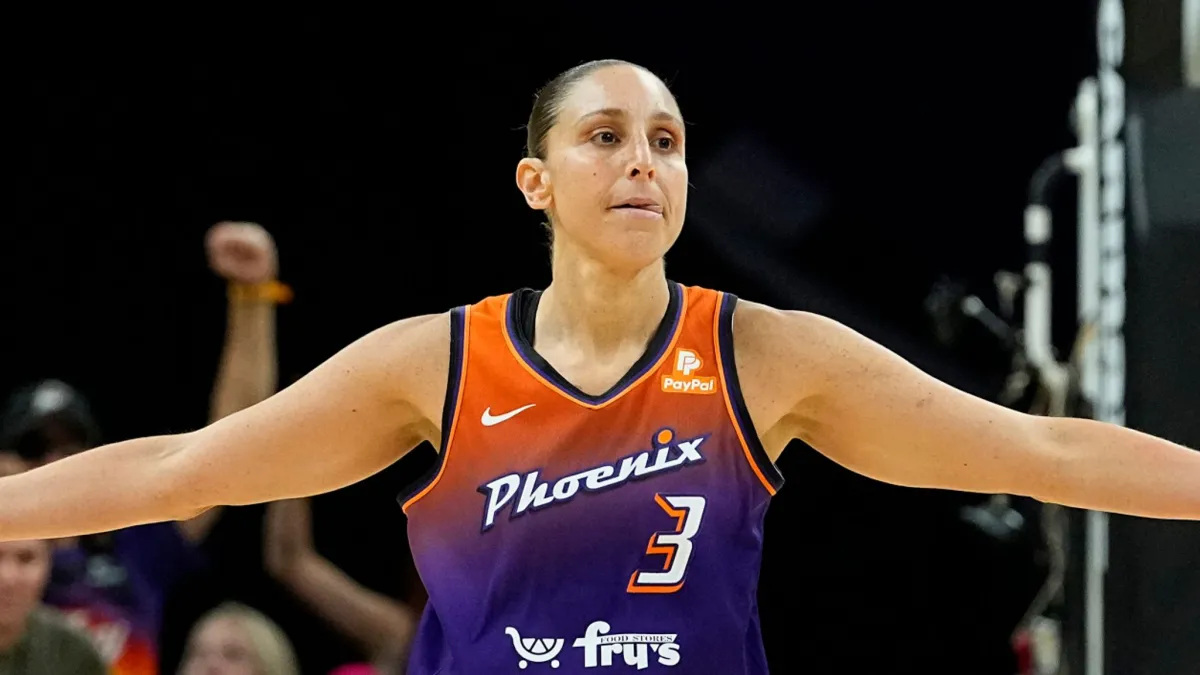 Photo: Diana Taurasi, via e0.365dm.com
The Wilderness Years: Taurasi transferred schools and spent two years learning to channel her intensity productively. She had to prove herself all over again, starting from the bottom of a new team's hierarchy.
The Rebuild: Instead of suppressing her competitive fire, Taurasi learned to use it strategically. She developed an unshakeable confidence and a clutch gene that thrived under pressure. Her "bad shots" became signature moments.
The Resurrection: Taurasi became the greatest winner in basketball history — three NCAA championships at UConn, five WNBA championships, and five Olympic gold medals. The benchwarmer became the most clutch player in women's basketball.
The Lesson: The traits that make you difficult to coach might be exactly what makes you impossible to stop.
The Common Thread
These stories share something deeper than perseverance. Each athlete used their rejection as information rather than verdict. They didn't just work harder — they worked differently, using their outsider status to develop approaches that insiders never considered.
Their rejections weren't obstacles to overcome; they were laboratories for innovation. Sometimes the best thing that can happen to a future champion is being told they don't belong. It forces them to create their own definition of what belonging looks like.