One Woman, One Brush, One Dying City: How Unauthorized Art Sparked an Economic Miracle
The Canvas Nobody Asked For
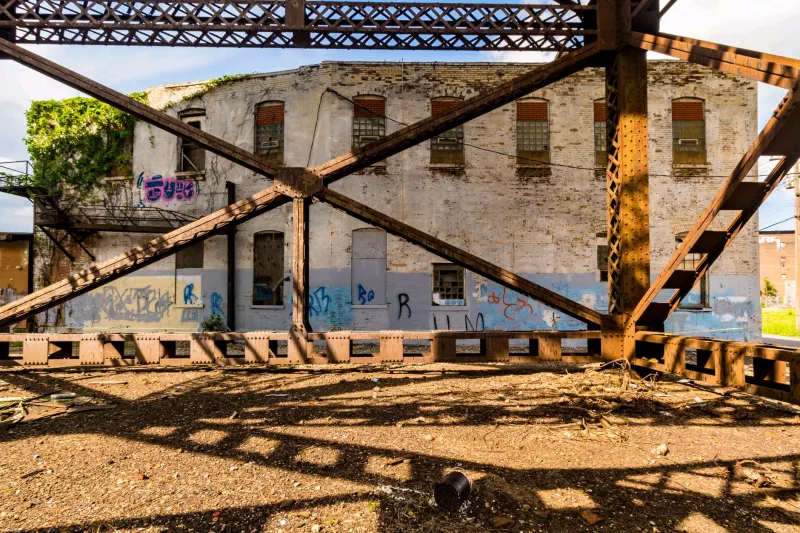
Sarah Chen mixed her paints in a coffee can behind the abandoned Woolworth's on West Federal Street, using a plastic spoon she'd stolen from a gas station. It was September 2009, and downtown Youngstown, Ohio, looked like a war zone that had forgotten to rebuild. Empty storefronts lined the streets like broken teeth, their windows either boarded up or shattered into abstract patterns.
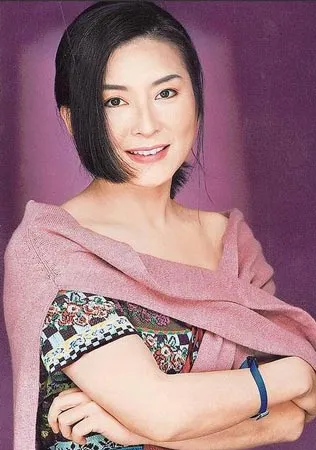 Photo: Sarah Chen, via 3.bp.blogspot.com
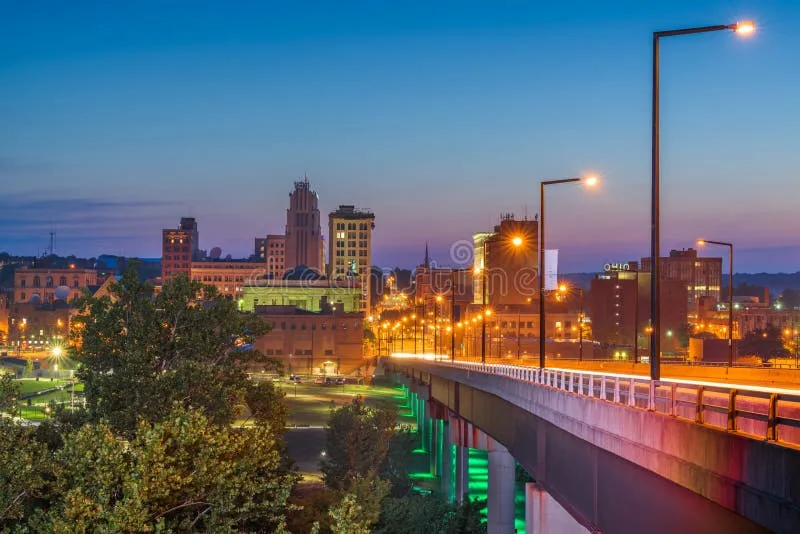 Photo: Youngstown, Ohio, via thumbs.dreamstime.com
Chen, a 28-year-old who'd moved to Youngstown after art school because it was the only place she could afford rent, had been walking past the same derelict buildings every day for six months. The gray walls, tagged with graffiti and weathered by decades of neglect, had started to feel like a personal insult.
"I wasn't trying to save the city," Chen remembers, sitting in what's now a bustling coffee shop where that Woolworth's used to be. "I was just tired of looking at ugly walls."
So she started painting them.
The First Stroke
Chen's first mural was modest: a simple sunrise spreading across the side wall of a defunct auto parts store. She painted it without permission, using house paint she'd bought with grocery money. The wall faced the bus stop where she waited every morning to get to her job at a frame shop across town.
"I figured if I was going to stare at this wall for twenty minutes every day, it might as well be beautiful," she explains.
The mural took her three weeks to complete, working in the early morning hours before her shift. She painted in sections, carrying her supplies in a backpack and setting up her makeshift easel against the building. Most mornings, she worked alone, occasionally nodding to the handful of commuters who shared the bus stop.
Then something unexpected happened. People started stopping to watch.
Word Spreads in a Small City
Youngstown might have been struggling, but it was still a small city where news traveled fast. Within a month, Chen's sunrise mural had been photographed, shared on social media, and written about in the local newspaper. The coverage wasn't entirely positive — some critics called it vandalism, others questioned whether beautification was appropriate when people were struggling with basic needs.
But something else was happening at street level. Residents began detouring past the mural on their daily routes. The bus stop, previously a place people endured, became a gathering point. Conversations started.
"That's when I realized art wasn't just decoration," Chen says. "It was creating a reason for people to stop, to notice their neighborhood, to talk to each other."
Encouraged by the response, Chen approached the owner of a nearby abandoned warehouse. To her surprise, he gave her permission to paint the entire side of the building — a massive 40-by-60-foot wall facing the main downtown thoroughfare.
The Mural That Changed Everything
Chen's second project was ambitious: a detailed landscape depicting Youngstown's industrial past merging into a green, hopeful future. She painted steel mill smokestacks transforming into trees, their smoke becoming clouds that nourished a garden below. The mural took four months to complete and required her to learn scaffolding techniques from YouTube videos.
As she painted, something remarkable began happening. Other artists started approaching her, asking if they could contribute. Local residents began bringing her coffee and sandwiches. High school students asked if they could help with the simpler sections.
"It became this community project without me planning it," Chen recalls. "People felt ownership over it because they'd watched it grow."
When the mural was finished in early 2010, the response was immediate and overwhelming. Local TV stations covered the story. Art blogs picked it up. Most importantly, people from other neighborhoods started making trips downtown specifically to see the mural.
The Ripple Effect Nobody Expected
What happened next surprised everyone, including Chen. A coffee shop owner, inspired by the foot traffic the mural was generating, decided to open a location across the street from the painted wall. A small gallery followed. Then a vintage clothing store.
"I started noticing that the blocks with murals felt different," says Maria Rodriguez, who opened a bakery two streets over from Chen's original sunrise painting. "They felt alive, like someone cared about them. That made me think maybe I should care too."
Chen, meanwhile, had quit her frame shop job and was painting full-time, funded by a combination of small grants and donations from residents. She'd developed a methodology: identify the most visible abandoned walls in struggling neighborhoods, get permission from property owners, then create murals that reflected the community's history and hopes.
The Science of Visual Revival
What Chen discovered through intuition, urban planners now recognize as established science. Research shows that visible improvements to neglected areas can trigger what economists call "positive feedback loops" — small changes that inspire larger investments, which create more changes, and so on.
"Sarah stumbled onto something that urban renewal experts spend millions trying to achieve," says Dr. James Patterson, who studies community development at Youngstown State University. "She proved that sometimes the most effective catalyst for change isn't a big development project or a government program. Sometimes it's just making people remember that their neighborhood is worth caring about."
Studies of Chen's impact show measurable changes in the areas where she painted: increased foot traffic, reduced vandalism, and a 23% increase in new business openings within three blocks of her murals.
Building a Movement
By 2012, Chen had painted seventeen major murals throughout Youngstown. More importantly, she'd trained dozens of other artists in her techniques and philosophy. What had started as one woman's aesthetic frustration had become a coordinated effort to reimagine the city's visual identity.
The "Youngstown Mural Project," as it came to be known, attracted national attention. Urban planners from Detroit, Cleveland, and Pittsburgh visited to study Chen's methods. Art students began choosing Youngstown as a destination, drawn by the opportunity to work on meaningful public projects.
"We went from being the poster child for Rust Belt decline to being a model for grassroots renewal," says Mayor Janet Creighton, who was elected in 2013 partly on a platform of supporting community-led development. "Sarah showed us that sometimes the best urban planning happens with a paintbrush."
The Economics of Beauty
The numbers tell the story of Chen's accidental economic development strategy. Between 2009 and 2015, the downtown area where she painted her first murals saw:
- 47 new businesses open
- Property values increase by an average of 31%
- Tourist visits increase by 340%
- A 15% reduction in reported crime
More significantly, the city began budgeting for public art, recognizing it as economic development rather than frivolous spending. Chen was hired as Youngstown's first Director of Community Art, a position created specifically for her.
The Model Goes National
Chen's approach — unauthorized art leading to community engagement leading to economic revival — has been replicated in dozens of cities. She now consults with municipalities across the country, teaching what she calls "guerrilla beautification."
"The key isn't the art itself," she explains to a group of urban planners visiting from Buffalo. "It's showing people that someone believes their neighborhood is worth investing in, even if that investment is just time and paint."
Her methodology has been formalized into what urban development experts call the "Youngstown Model": start with highly visible improvements that cost little but demonstrate care, build community engagement around the process, then leverage that momentum into larger development projects.
Legacy of the Accidental Activist
Today, Youngstown's downtown bustles with activity. The abandoned Woolworth's where Chen first mixed her paints is now a thriving arts center. The bus stop where she painted her first sunrise is surrounded by restaurants, galleries, and apartments.
Chen, now 42, still paints murals, though she spends most of her time training other artists and consulting with cities. Her office walls are covered with before-and-after photos of neighborhoods transformed by community art projects.
"I never set out to be an urban planner," she reflects. "I just wanted to make things less ugly. But I learned that beauty isn't just aesthetic — it's political. It's a way of saying that people deserve better, that places matter, that someone cares enough to make things beautiful."
Her story has become required reading in urban planning programs, a case study in how individual action can catalyze systemic change. But for Chen, the real measure of success is simpler: walking through neighborhoods where her murals still brighten abandoned walls, where coffee shops and bookstores have followed her lead, where people choose to linger instead of hurrying past.
"Art doesn't solve poverty or fix broken systems," she says. "But it can make people remember that their community is worth fighting for. Sometimes that's where everything else starts."