The Boy Who Sketched Dreams on Napkins
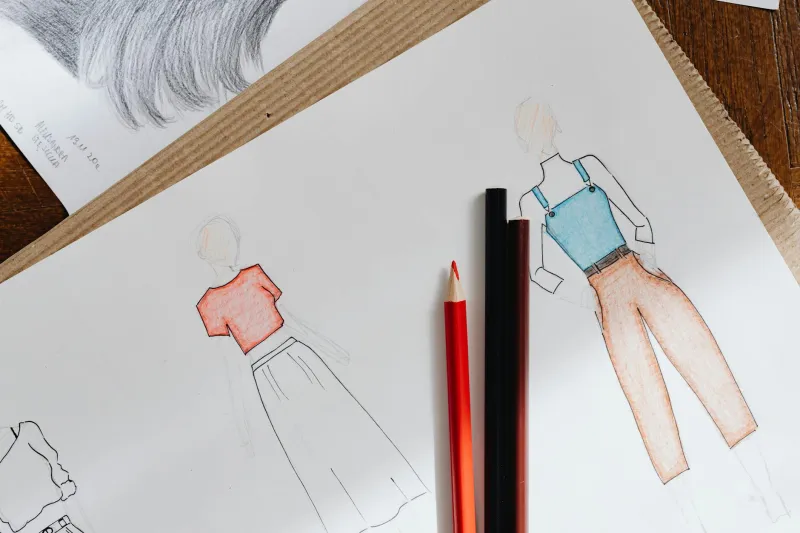
Marcus Williams was seventeen when he first slept in Penn Station, using his backpack as a pillow and his jacket as a blanket. Inside that backpack, wedged between a change of clothes and whatever food he'd managed to find, was a composition notebook filled with sketches of clothing designs that would one day reshape American streetwear.
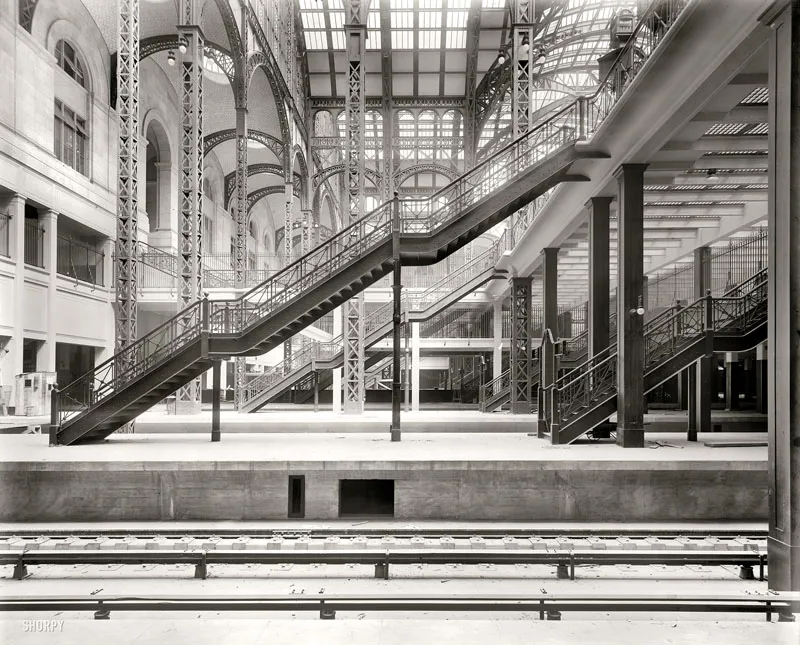 Photo: Penn Station, via newpenn.nyc
But that was still years away. In 2003, Williams was just another homeless kid in New York City, aging out of a foster system that had shuffled him between twelve different homes since he was eight. What made him different wasn't his circumstances—thousands of kids faced similar struggles. What made him different was what he did during the long, sleepless hours when the city never quite went quiet.
While other people dozed on subway benches or huddled in 24-hour diners, Williams studied fashion. Not in classrooms or studios, but through the windows of boutiques in SoHo, through magazines left behind in waiting rooms, through careful observation of how different people moved through the world in their clothes.
"I couldn't afford to buy anything, so I had to understand everything," Williams would later explain. "When you're invisible, you see how people really live."
The University of the Streets
Without money for art supplies, Williams became resourceful in ways that would later define his aesthetic. He collected fabric samples from dumpsters behind fashion houses, studied construction techniques by examining discarded garments, and taught himself to sew using YouTube videos on library computers during his allotted hour of free internet access.
His first "studio" was a corner of a Laundromat in Queens where the night manager, an older Dominican woman named Rosa, let him work after hours in exchange for helping with the cleaning. Using Rosa's ancient sewing machine and fabric he'd salvaged or saved up to buy, Williams began creating his first pieces.
These weren't the polished designs that would later grace runways. They were raw, urgent creations that reflected his reality—hoodies with hidden pockets for valuables, jackets that could be worn multiple ways depending on the weather or situation, pants designed for someone who might need to run or sleep in them. Function drove form in ways that formal fashion education never could have taught.
"Every piece had to work," Williams recalls. "When you're living on the street, fashion isn't about looking good. It's about survival. But I wanted both."
Breaking Through the Noise
By 2005, Williams had managed to save enough money from odd jobs to rent a small room in Brooklyn. He continued working at night, now selling his pieces to friends and acquaintances who had noticed his unique style. Word spread through networks that existed far from fashion's traditional gatekeepers—barbers, corner store owners, musicians playing small venues.
His breakthrough came not through a fashion show or magazine feature, but through a chance encounter with a rising hip-hop artist who bought one of Williams' custom jackets from a friend. When photos of the artist wearing the piece appeared online, orders started pouring in from people who wanted to know where they could get "that jacket."
Williams didn't have a website, a business plan, or even a business name. He had a cell phone, a notebook full of designs, and an understanding of what real people wanted to wear that had been earned through years of careful observation.
Building Something Real
What happened next defied every conventional wisdom about breaking into fashion. Instead of seeking investors or trying to get into department stores, Williams built his brand organically, one piece and one customer at a time. He used social media before it was a marketing strategy, posting photos of his work and engaging directly with people who wore his clothes.
His aesthetic—which fashion critics would later describe as "elevated streetwear" and "luxury meets authenticity"—wasn't calculated or focus-grouped. It was simply the natural result of someone who understood both aspiration and reality, who had lived at the intersection of wanting more and making do with less.
By 2010, Williams' brand was generating seven-figure revenue. By 2015, his pieces were being worn by A-list celebrities and featured in major fashion magazines. But perhaps more importantly, his clothes were still being worn by the kinds of people he'd been when he started—young people from overlooked neighborhoods who saw in his designs a reflection of their own complexity and ambition.
The Unlikely Teacher
Today, Williams employs more than 200 people and has opened a design school in the same Queens neighborhood where he once slept in that Laundromat. The school offers free classes to young people aging out of foster care, immigrants learning English, and anyone who has ever felt locked out of creative industries.
"Fashion school teaches you about fashion history and color theory," Williams explains. "The street teaches you about people. Both matter, but if I had to choose, I'd choose understanding people every time."
His story has become a case study not just in fashion, but in how authentic voices can reshape entire industries when they're finally given space to speak. Williams didn't just build a clothing brand—he proved that sometimes the most innovative solutions come from people who have never been told what's impossible.
In a world where fashion often feels disconnected from the lives of real people, Williams created something different: clothes for the life he'd lived and the life he'd dreamed of living. Sometimes, it turns out, the best preparation for dressing a nation is understanding what it feels like to have nothing to wear.