The Boy Who Cleaned His Way to College
In 1922, a skinny teenager named Ralph Bunche was mopping floors at UCLA's library, earning twenty-five cents an hour to keep himself in school. His classmates walked past without a second glance—just another Black kid working his way through college during an era when that seemed like reaching for the impossible.
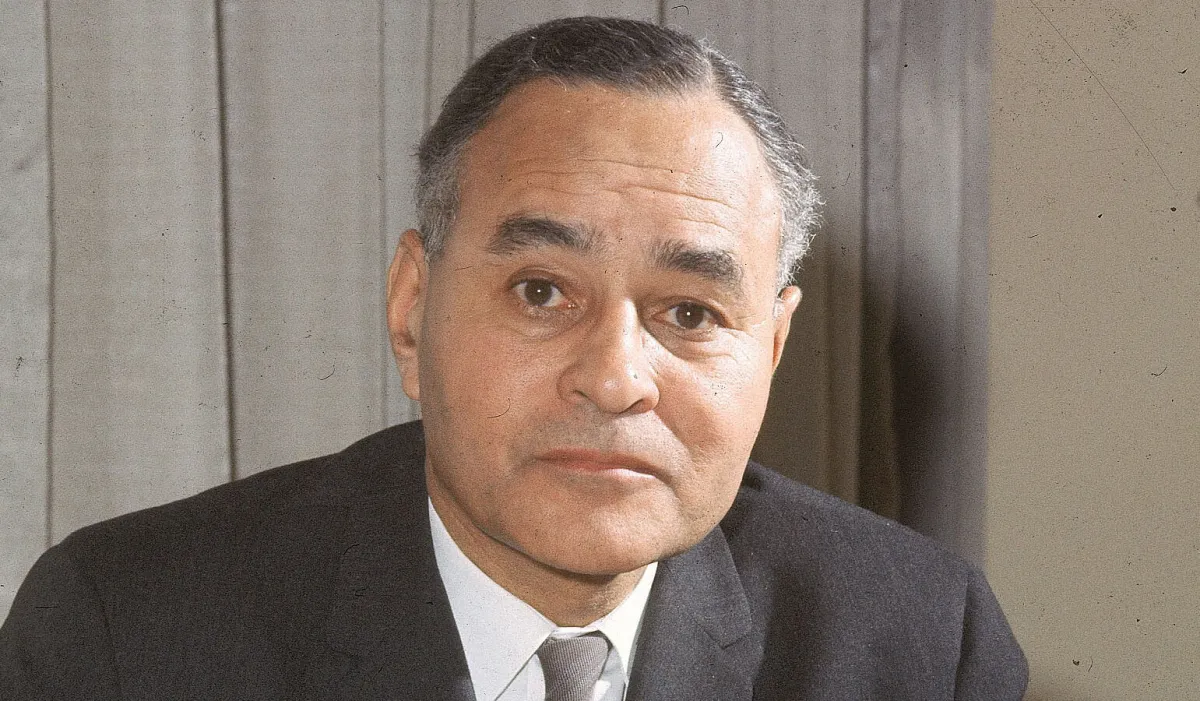 Photo: Ralph Bunche, via diplomacy.state.gov
What they couldn't see was that this quiet young man was methodically building something extraordinary. While scrubbing those floors, Bunche was absorbing everything: conversations between professors, fragments of lectures drifting from nearby classrooms, the rhythm of academic life that most students took for granted.
Born in Detroit in 1903, Bunche had already survived more upheaval than most people face in a lifetime. His father, a barber, died when Ralph was thirteen. His mother followed two years later, leaving him and his sisters in the care of their grandmother, Lucy Johnson—a woman who had been born into slavery but refused to let her grandson's dreams die with his parents.
The Invisible Advantage
Lucy Johnson moved the family to Los Angeles, where she worked as a seamstress while Ralph excelled in school. But excellence, they quickly learned, didn't guarantee opportunity. UCLA was willing to accept Bunche's enrollment, but financial aid? That was a different conversation entirely.
So Bunche worked. He cleaned buildings, sold newspapers, and did whatever it took to stay enrolled. His invisibility—the way people looked right through him—became his secret weapon. He listened to everything, absorbed every slight, and quietly built a understanding of human nature that would later prove invaluable at negotiating tables around the world.
After graduating summa cum laude from UCLA, Bunche earned a scholarship to Harvard for graduate work in political science. Even there, professors routinely suggested he might be "more comfortable" studying at a historically Black college. Bunche smiled politely and stayed put, earning his PhD in 1934 with a dissertation on French colonial policy in Africa.
The Making of a Mediator
World War II changed everything. The newly formed United Nations needed people who understood the complexities of international relations, and Bunche's unique background—someone who had navigated prejudice with patience while maintaining scholarly rigor—made him an unexpected asset.
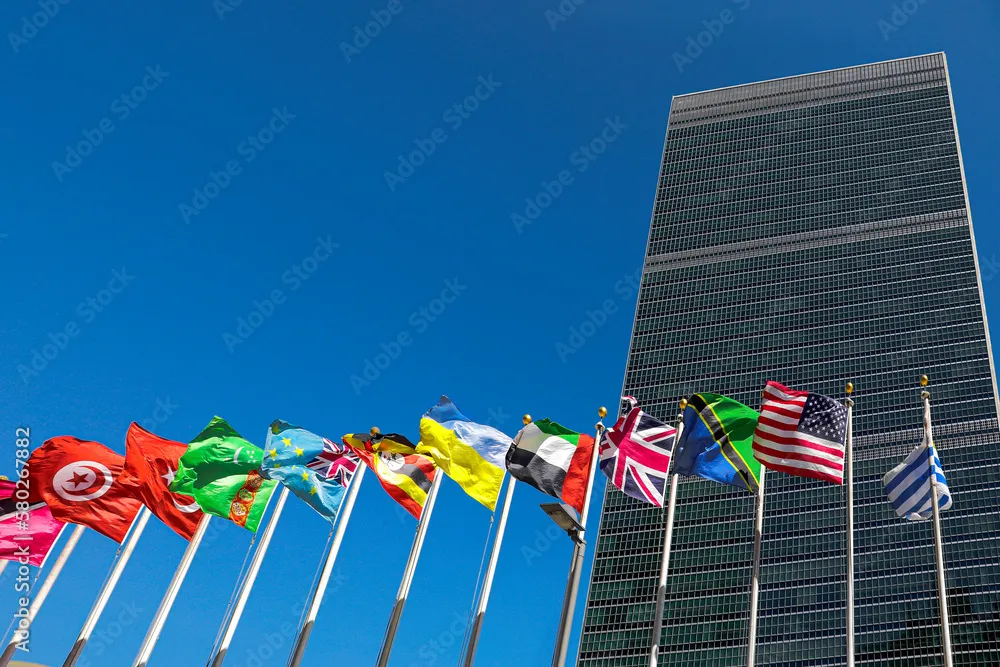 Photo: United Nations, via as1.ftcdn.net
His colleagues initially saw him as a token hire, the organization's nod to diversity. They assigned him to trusteeship issues, assuming he'd handle colonial territories quietly and without fuss. Instead, Bunche became the person everyone turned to when situations seemed impossible to resolve.
His approach was revolutionary in its simplicity: he actually listened. While other diplomats postured and made grand speeches, Bunche sat quietly in meetings, taking notes, asking careful questions, and finding the human threads that connected seemingly irreconcilable positions.
The Miracle of Rhodes
In 1948, the newly created state of Israel was at war with its Arab neighbors, and the international community was desperate for a ceasefire. The UN's lead mediator, Count Folke Bernadotte, was assassinated in Jerusalem, leaving the mission in chaos.
Almost by default, the assignment fell to Bunche. Nobody expected much—he was seen as a temporary placeholder while they found a "real" diplomat to take over. Instead, Bunche packed his bags for the Greek island of Rhodes and began what would become one of the most remarkable diplomatic achievements of the twentieth century.
For eleven months, Bunche hosted Israelis and Arabs in the same hotel, keeping them talking when everyone else had given up. He organized informal dinners, encouraged delegates to share family photos, and slowly built personal relationships that transcended political positions.
The breakthrough came not through grand gestures but through accumulated trust. Bunche had convinced each side that he genuinely understood their perspective—not because he agreed with them, but because he had listened so carefully that he could articulate their concerns better than they could themselves.
The Prize Nobody Saw Coming
When the armistice agreements were finally signed in 1949, the international community was stunned. Bunche had achieved what seasoned European diplomats had declared impossible. The following year, he became the first Black American to receive the Nobel Peace Prize.
The irony wasn't lost on him. A man who had been systematically excluded from opportunity had become the world's most celebrated peacemaker. In his Nobel lecture, Bunche spoke about the power of patience, the importance of seeing beyond surface differences, and the quiet strength that comes from understanding what it means to be underestimated.
The Legacy of Listening
Bunche continued his diplomatic work for decades, mediating conflicts in the Congo, Cyprus, and Kashmir. His success rate was unprecedented, built on a simple principle: everyone deserves to be heard, and most conflicts dissolve when people feel genuinely understood.
He died in 1971, having transformed from a teenager mopping floors to pay for college into one of the twentieth century's most consequential figures. His story reminds us that sometimes the most powerful preparation for changing the world is simply learning how to survive in it with grace.
The butcher's boy from Detroit had found his calling not despite his hardships, but because of them. In a world full of people demanding to be heard, Ralph Bunche had mastered the rarer art of listening—and in doing so, he had learned to make peace.