Drawing the Invisible World: The Woman Who Mapped Ocean Secrets From a Basement Office
The Data in the Basement
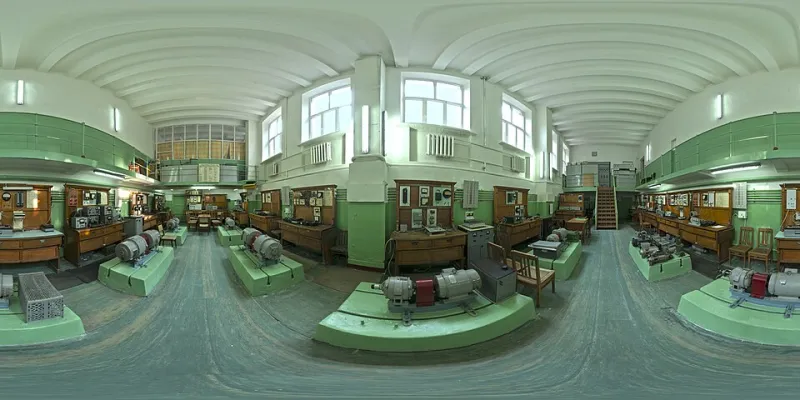
Marie Tharp spent her days surrounded by numbers that told stories she wasn't supposed to hear. Stacked around her basement office at Columbia University were thousands of depth measurements, sonar readings, and oceanic data points—all collected by men on research ships she was forbidden to board. It was 1952, and women weren't allowed on research vessels. But Marie had something her male colleagues didn't: the patience to see patterns in chaos and the skill to transform raw data into revolutionary art.
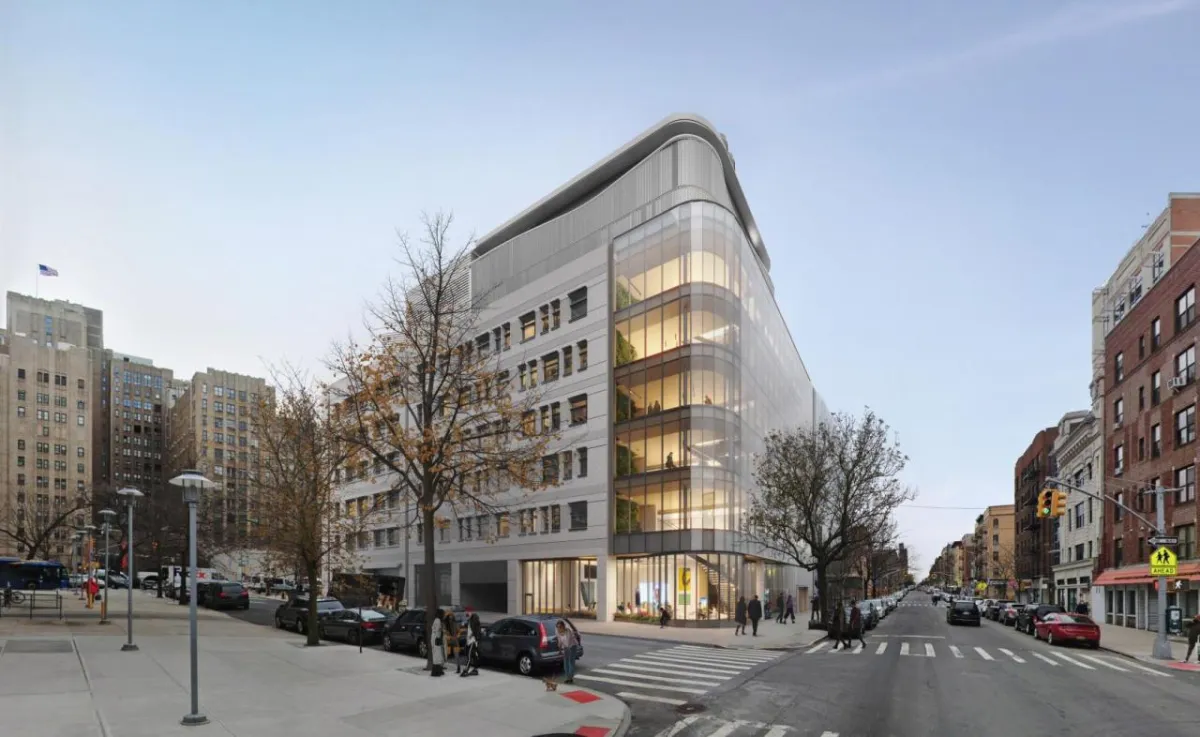 Photo: Columbia University, via www.cuimc.columbia.edu
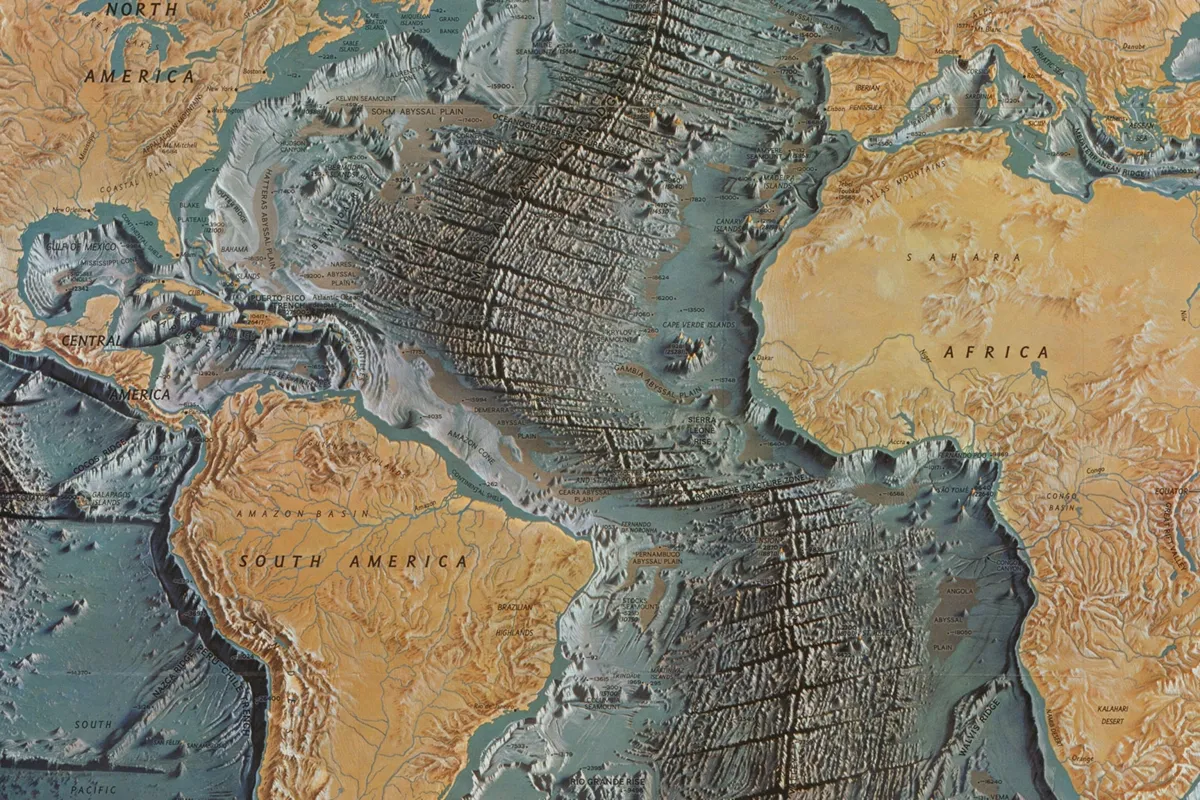 Photo: Marie Tharp, via i.natgeofe.com
What she drew in that cramped basement would fundamentally change how humanity understood the planet we live on.
The Prohibition That Sparked Discovery
The irony was perfect and infuriating. Marie Tharp held degrees in English, music, mathematics, and geology—more education than most of the researchers whose data crossed her desk. But maritime superstition and institutional sexism meant that the woman most qualified to interpret oceanic data was the one person who couldn't collect it herself.
"I couldn't go to sea, so the sea had to come to me," Tharp would later reflect. "In boxes and charts and endless columns of numbers."
Her collaborator, Bruce Heezen, would return from research expeditions with massive quantities of sonar data—depth measurements taken across the Atlantic Ocean floor. While other researchers focused on individual data points, Tharp began plotting thousands of measurements on enormous sheets of paper, looking for the bigger picture that no one else was seeing.
Drawing What No One Had Seen
The process was painstakingly slow. Each depth measurement had to be converted, plotted, and connected to its neighbors. Tharp worked with pencils, rulers, and an almost supernatural ability to visualize three-dimensional underwater landscapes from two-dimensional data points.
As the months passed, something extraordinary began emerging from her meticulous plotting: a massive mountain range running down the center of the Atlantic Ocean, complete with a deep valley—a rift—running along its spine.
"It was like watching a hidden world come into focus," she recalled. "Mountain by mountain, valley by valley, I was drawing places that no human being had ever seen."
The Theory That Changed Everything
What Tharp was mapping wasn't just underwater geography—it was evidence for one of the most revolutionary theories in Earth science. The Mid-Atlantic Ridge, as it would come to be known, was proof that the ocean floor was spreading, that continents were moving, and that the theory of continental drift—long dismissed by the scientific establishment—was actually correct.
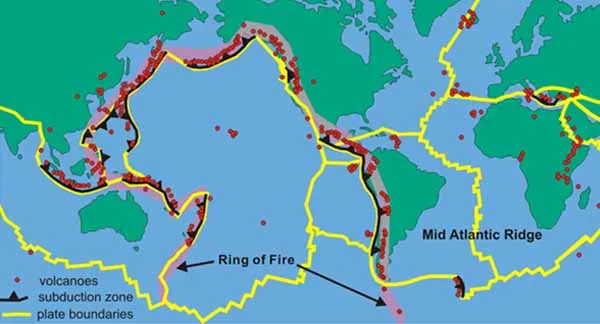 Photo: Mid-Atlantic Ridge, via www.crystalinks.com
When Tharp first showed her maps to Heezen, his reaction was immediate and dismissive: "It looks like continental drift, and I don't believe in continental drift." The scientific community had rejected Alfred Wegener's continental drift theory decades earlier, considering it geological fantasy.
But Tharp's maps didn't lie. The underwater mountain range she'd drawn extended for thousands of miles, with a central rift that perfectly aligned with earthquake data. The evidence was overwhelming: the ocean floor was spreading apart, pushing continents around like rafts on a slowly moving sea.
The Credit That Disappeared
When Heezen finally accepted the implications of Tharp's work, the maps began appearing in scientific journals and textbooks. But Tharp's name was often absent from the credits. The discoveries were attributed to "Heezen and colleagues" or simply to the Lamont Geological Observatory. For years, the woman who had actually drawn the maps that revolutionized geology remained invisible to the scientific community.
"I was used to being overlooked," Tharp said in a later interview. "Women in science learn early that recognition comes slowly, if at all. But the work itself was the reward. I was drawing the architecture of the planet."
The World Beneath the Waves
Tharp's basement office eventually produced the first comprehensive map of the Atlantic Ocean floor, followed by maps of the Pacific and Indian Oceans. Her work revealed underwater mountain ranges longer than the Himalayas, valleys deeper than the Grand Canyon, and a global network of mid-ocean ridges that circle the planet like the seams on a baseball.
More importantly, her maps provided the visual evidence that finally convinced the scientific community that continental drift was real. The theory was renamed "plate tectonics," and it became the foundation of modern geology.
Recognition, Finally
It took decades, but the scientific community eventually acknowledged what Marie Tharp had accomplished in her basement office. In 1997, the Library of Congress named her one of the greatest cartographers of the 20th century. In 1999, she received the first Marie Tharp Lamont Research Professorship—an honor created in her name.
"I had a blank canvas to fill with a picture that no one had ever seen before," she reflected near the end of her career. "It was like being an artist and a detective and an explorer all at the same time."
The Legacy of Invisible Work
Marie Tharp's story is a reminder that some of the most important discoveries happen in quiet places, made by people who aren't allowed in the spotlight. Her basement office became a laboratory where patience, skill, and stubborn determination combined to reveal one of Earth's greatest secrets.
Today, when oceanographers map the sea floor with sophisticated sonar and satellite technology, they're following paths first drawn by a woman with a pencil and an extraordinary ability to see the unseen. Marie Tharp proved that sometimes the most revolutionary discoveries come not from going places others can't go, but from seeing things others can't see—even when you're stuck in a basement, surrounded by other people's data, drawing a world that no one believed existed.