
The Washerwoman's Daughter Who Refused to Accept No
In 1903, a Black woman walked into a marble-floored banking hall in Richmond, Virginia, and took her place behind the president's desk. The sight was so extraordinary that newspapers across the country took notice. Maggie Lena Walker had just become the first woman in American history to charter and serve as president of a bank.
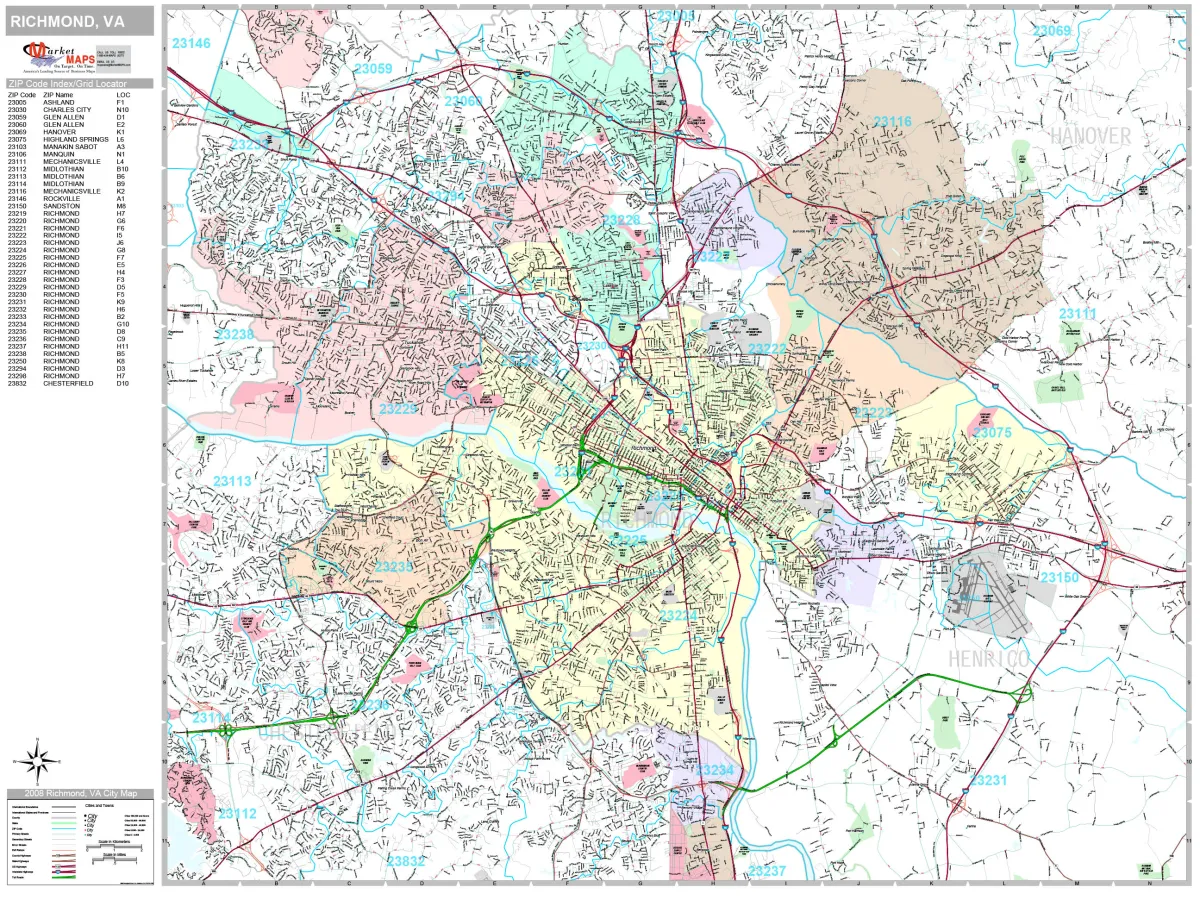 Photo: Richmond, Virginia, via www.mapsales.com
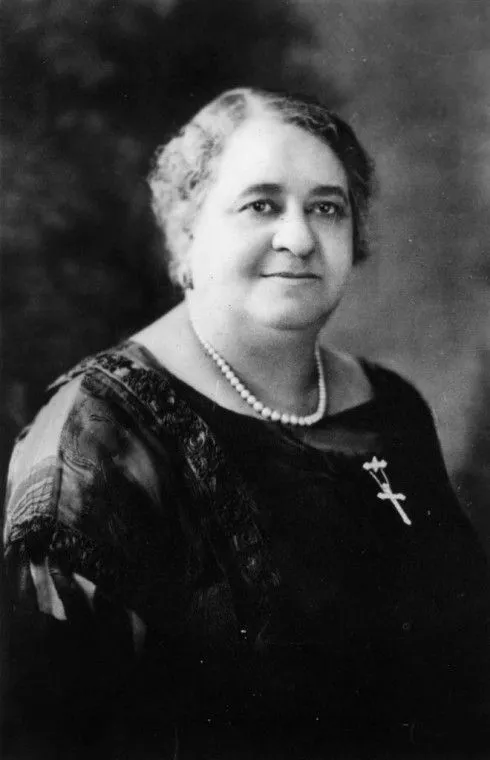 Photo: Maggie Lena Walker, via i.pinimg.com
What made this moment even more remarkable was where Walker had started: as the daughter of a formerly enslaved washerwoman in a city built on the wealth of human bondage. Every system in America had been designed to keep someone like her from accumulating wealth, let alone controlling it. Walker's response was characteristically direct: if the existing systems wouldn't serve her community, she'd build new ones.
Growing Up in the Shadow of Reconstruction
Walker was born Maggie Lena Mitchell in 1864, the year before the Civil War ended. Her mother, Elizabeth, had been enslaved until emancipation, then struggled to support her children by taking in laundry. Richmond's streets told the story of a South trying to rebuild itself while maintaining as much of the old racial hierarchy as possible.
Young Maggie excelled in school, but higher education wasn't an option for Black women in 1880s Virginia. Instead, she became a teacher, one of the few professional paths available to her. She was just fourteen when she started teaching, earning $35 a month while continuing her own education at night.
But Walker possessed something that couldn't be taught in any classroom: an intuitive understanding of how money and power worked, and more importantly, how they could be made to work differently.
The Insurance Revelation
Walker's transformation from teacher to financial revolutionary began with a tragedy. When her husband Armstead was killed in 1915—shot by their son in what was ruled an accident but whispered about as something more complex—Walker found herself a widow with three children and a profound understanding of how financial vulnerability could destroy families.
She threw herself into work with the Independent Order of Saint Luke, a Black fraternal organization that provided insurance and financial services to its members. Walker started as a clerk but quickly revealed a genius for organization and innovation. She understood something that escaped many of her contemporaries: insurance wasn't just about protecting against catastrophe—it was about building collective wealth.
Under her leadership, the Order transformed from a small mutual aid society into a financial powerhouse. She launched a newspaper, opened a department store, and most audaciously, decided to charter a bank.
The Birth of a Bank
Walker's decision to start a bank wasn't born from ambition—it was born from fury. Existing banks in Richmond either refused to serve Black customers entirely or offered them such poor terms that borrowing money often led to financial ruin rather than opportunity.
"Let us put our moneys together; let us use our moneys; let us put our money out at usury among ourselves, and reap the benefit ourselves," Walker declared in a speech that would become legendary in Richmond's Black community.
The Saint Luke Penny Savings Bank opened its doors in 1903 with Walker as president. The symbolism was intentional: a bank that welcomed pennies from washerwomen and laborers, treating small deposits with the same respect that white banks reserved for large accounts.
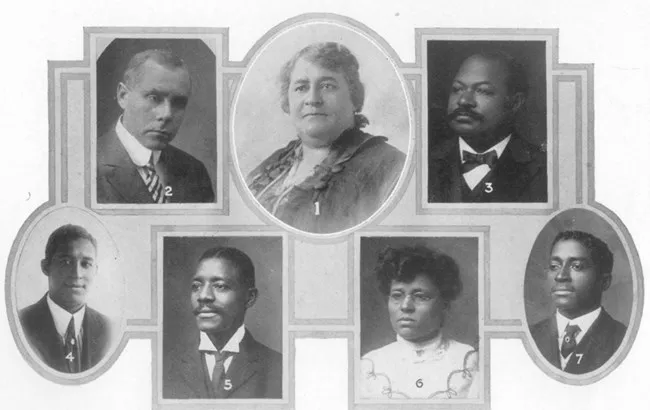 Photo: Saint Luke Penny Savings Bank, via www.nps.gov
Building an Empire on Trust
Walker understood that her bank's success depended on more than just financial services—it required rebuilding trust in institutions that had historically exploited Black customers. She personally visited churches, social clubs, and community organizations, explaining how banking could serve their interests rather than undermine them.
The bank's growth was remarkable. Within a year, it had over 600 depositors. By 1920, it held more than $400,000 in deposits—roughly $5 million in today's currency. Walker had proven that there was enormous untapped wealth in communities that traditional banks ignored.
But Walker's vision extended beyond banking. She used the bank's success to launch other enterprises: a newspaper that challenged racist narratives, a department store that employed Black workers in professional roles, and an insurance company that provided services traditional insurers wouldn't offer to Black families.
The Revolutionary in Conservative Clothing
Walker's approach was revolutionary, but she packaged it in language that white Richmond could tolerate. She spoke about thrift and self-reliance, values that resonated with conservative audiences. She emphasized how Black economic development would benefit the entire community, making integration a matter of mutual interest rather than moral obligation.
This strategic conservatism allowed her to accomplish things that more confrontational approaches might have made impossible. She became the first Black woman to drive a car in Richmond, built one of the city's most impressive homes, and accumulated wealth that made her one of the richest women in Virginia, regardless of race.
The Price of Success
Walker's success came with costs that illuminate the particular challenges facing Black women entrepreneurs. She faced constant scrutiny from both white authorities suspicious of Black wealth and Black critics who questioned whether a woman should hold such power.
The 1920s brought new challenges as the Great Depression devastated Black-owned businesses disproportionately. Walker's bank struggled, eventually merging with other institutions to survive. But by then, she had already proven her point: with access to capital and fair treatment, Black entrepreneurs could build businesses that rivaled any in the country.
Legacy of Innovation
Walker died in 1934, but her innovations had permanently changed American banking. She had demonstrated that serving previously ignored communities could be profitable, a lesson that wouldn't be widely adopted until decades later.
Her approach to community banking—emphasizing personal relationships, small deposits, and local investment—anticipated many of the principles that would later define credit unions and community development financial institutions.
More broadly, Walker had proven that exclusion from existing systems could become an opportunity to build better ones. Her bank didn't just serve Black customers; it served them better than white banks served anyone, with more personal attention, more flexible terms, and more commitment to community development.
The Lesson for Today
Walker's story resonates powerfully in an era when access to capital remains unequal and traditional institutions often fail to serve marginalized communities effectively. She showed that the solution to systemic exclusion isn't just demanding inclusion—sometimes it's building alternatives that work so well they force the entire system to evolve.
Her life also demonstrates the particular power of combining business acumen with social mission. Walker wasn't just trying to get rich; she was trying to build wealth for an entire community. That combination of personal ambition and collective purpose made her enterprises more resilient and more innovative than purely profit-driven competitors.
Today, as entrepreneurs work to address gaps in everything from healthcare to education to financial services, Maggie Lena Walker's example remains remarkably relevant. She proved that the most powerful response to being told "no" isn't anger or resignation—it's building something so successful that "no" becomes irrelevant.
In the end, Walker didn't just become America's first female bank president. She became proof that the most transformative innovations often come from those who have been excluded from existing systems, and who therefore have both the motivation and the freedom to imagine something better.