The Name That Wouldn't Fit
In 1967, a 28-year-old tie salesman walked into the offices of Beau Brummell, a New York menswear company, carrying sketches that would change American fashion forever. His name was Ralph Lifshitz, though by then he'd already changed it to Lauren—a transformation that started in high school when he realized his birth name marked him as different in ways that mattered in 1950s America.
Born in the Bronx to Jewish immigrants from Belarus, Ralph grew up in a cramped apartment where his father painted houses and his mother kept the family afloat through the Depression. The Lifshitz family had little money, but Ralph had something more valuable: an immigrant's keen eye for what America promised to be.
Washing Dishes, Dreaming of Elegance
While other teenagers in his neighborhood played stickball, Ralph took the subway to Manhattan's Upper East Side, walking past shops and restaurants he couldn't afford to enter. He got a job washing dishes at a fancy restaurant, not for the money—though his family needed it—but for the proximity to a world that fascinated him.
Between shifts scrubbing plates, he'd study the customers: their clothes, their confidence, the way they carried themselves. He sketched on napkins and receipt paper, designing the kind of clothes he imagined successful Americans should wear. His coworkers thought he was crazy. His family worried he was wasting time on impossible dreams.
"I didn't want to be a fashion designer," Lauren would later say. "I wanted to create a world."
The Outsider's Advantage
What Ralph understood—and what established designers missed—was that American fashion had been looking to Europe for inspiration when it should have been looking in the mirror. While Seventh Avenue copied Parisian couture, this kid from the Bronx saw something different: an American elegance rooted in cowboy mythology, English estates reimagined for suburban lawns, and the kind of casual sophistication that suggested wealth without shouting about it.
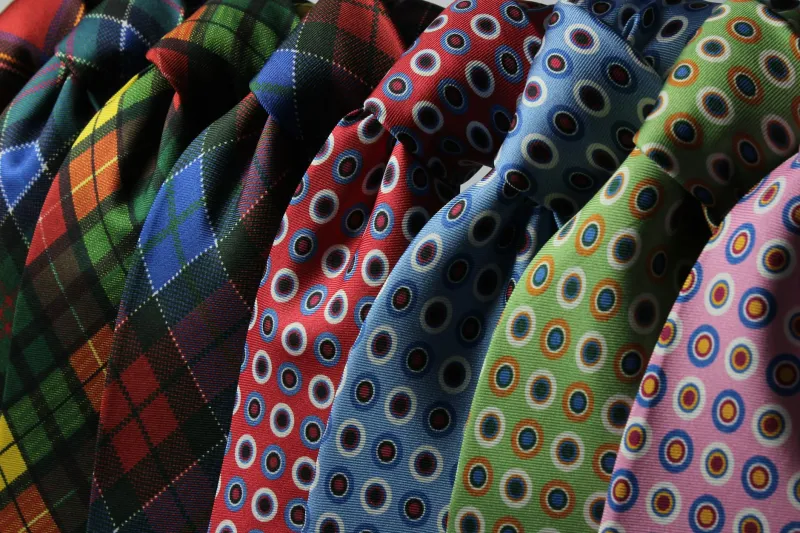
His first breakthrough came not through connections but through sheer persistence. After being turned down for design jobs because he lacked formal training, he convinced a small manufacturer to let him create a line of neckties. Wide when everyone else made them thin, expensive when the market demanded cheap, his ties were everything conventional wisdom said wouldn't sell.
They sold like crazy.
Building a Mythology
The genius of Ralph Lauren wasn't just in the clothes—it was in the story the clothes told. While other designers focused on trends, Lauren created a narrative: the American dream as wardrobe. His models weren't just wearing shirts; they were embodying a lifestyle that mixed Connecticut estates with Western ranches, Ivy League tradition with frontier independence.
This wasn't accidental. Growing up as an outsider looking in, Ralph had studied American success like an anthropologist. He understood that Americans didn't just want to buy clothes—they wanted to buy identity. And he was selling the most appealing American identity of all: effortless, confident, quietly wealthy.
The Power of Reinvention
By the time Ralph Lauren went public in 1997, the dishwasher from the Bronx had built something unprecedented: a lifestyle brand that exported American dreams to the world. Cowboys and prep school students wore his designs. So did movie stars and suburban dads. His clothes appeared in films, defining how Hollywood imagined American elegance.
But perhaps the most remarkable thing about Lauren's success is how it validated the outsider's perspective. The kid who couldn't afford the restaurants where he washed dishes eventually created the aesthetic that defined American luxury. The teenager who changed his name to fit in better ended up making his chosen name synonymous with American style.
The Immigrant's Eye
Today, Ralph Lauren Corporation generates over $6 billion in annual revenue. The company that started with a collection of neckties now dresses everyone from Olympic athletes to Wall Street executives. But at its core, the brand still reflects that original immigrant's vision: America as it could be, seen through the eyes of someone who had to work to get inside.
Ralph Lauren's story reminds us that sometimes the clearest view of the American dream comes from those who start furthest away from it. The dishwasher who spent his teenage years sketching on napkins didn't just build a fashion empire—he created a vision of American elegance that the world still wants to buy into, one carefully crafted piece at a time.