The Wrong Side of the Hangar
In 1953, when Chuck Yeager's name blazed across newspaper headlines for his supersonic flights, the real architect of American aviation's golden age was hunched over a drafting table in Burbank, California, erasing and redrawing the same wing curve for the hundredth time. Her name was Dorothy Kellerman, and she had no business being there.
The daughter of a small-town Iowa butcher, Dorothy had never seen an airplane until she was sixteen. Her path to becoming one of America's most influential aeronautical engineers began not in a university lecture hall, but on the factory floor of a munitions plant during World War II, where she learned to read technical blueprints while other women her age were learning to set their hair.
Learning Flight from the Ground Up
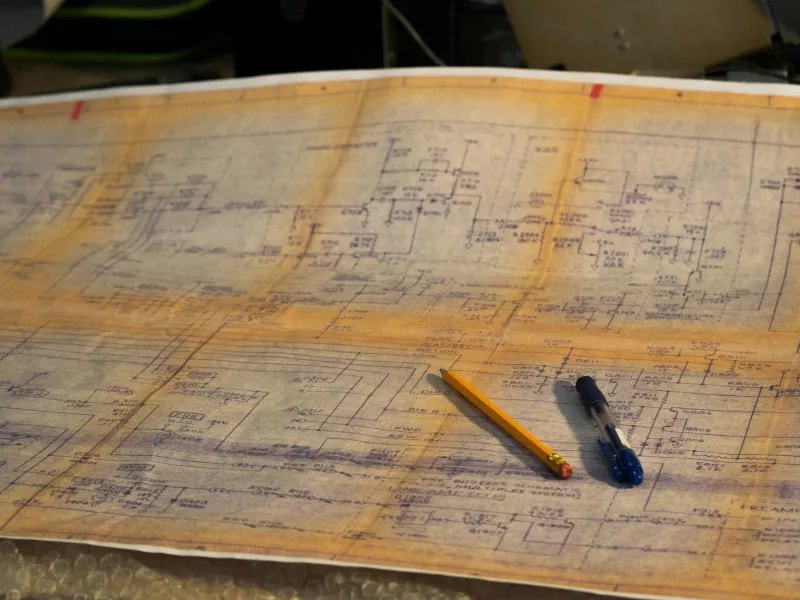
When Dorothy graduated high school in 1943, college wasn't an option—her family needed every dollar from her factory wages. But the war economy had cracked open doors that had been welded shut for generations. At the Consolidated Aircraft plant in Iowa, she discovered something that would reshape her understanding of what was possible: engineering wasn't magic. It was just very precise problem-solving.
"I could see how the pieces fit together," she later recalled in a rare 1970s interview. "The blueprints made sense to me in a way that surprised everyone, including me."
While her male colleagues attended engineering school on the GI Bill after the war, Dorothy took a different route. She enrolled in a trade school's technical drafting program—the only woman in her class—and spent her evenings teaching herself calculus from library books. By day, she worked as a technical illustrator for aircraft manuals. By night, she designed.
The Invisible Engineer
Dorothy's break came in 1949 when Lockheed hired her as a junior draftsman. The company was desperate for talent as the Cold War demanded faster, more sophisticated aircraft. What they got was someone who understood flight dynamics from a perspective no classically trained engineer possessed: she had learned by watching, by fixing, by making things work with her hands first and her mind second.
Her first major contribution was solving a stability problem that had plagued the F-94 Starfire interceptor. While senior engineers debated theoretical solutions, Dorothy suggested a simple modification to the wing's leading edge—an idea that came from her memory of how her father had angled his cutting blade to slice through tough meat. The modification worked.
Breaking Barriers in the Background
Throughout the 1950s, Dorothy's innovations quietly appeared in aircraft that made headlines. The swept-wing design that helped the F-104 Starfighter reach Mach 2? Dorothy's calculations determined the optimal angle. The air intake configuration that allowed the U-2 spy plane to operate at 70,000 feet? Dorothy spent six months in a wind tunnel, testing model after model until the airflow was perfect.
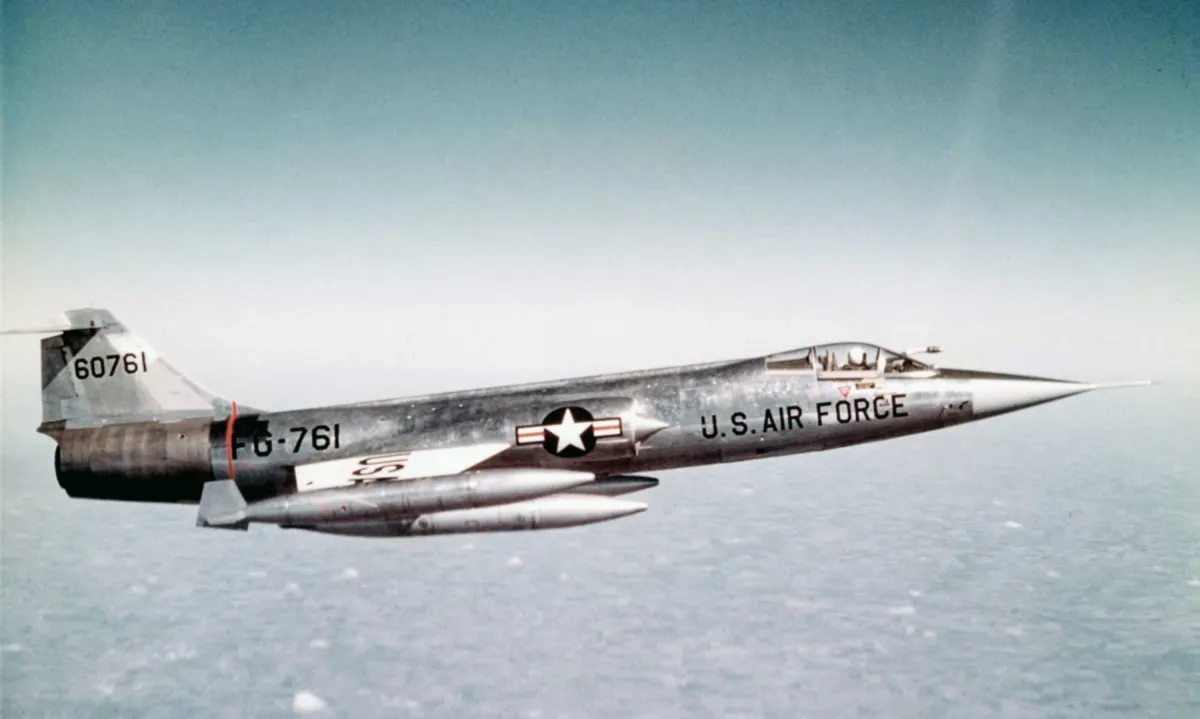 Photo: F-104 Starfighter, via static.wikia.nocookie.net
She never received public credit. Company policy at the time required that all patents be filed under the name of a supervising engineer—invariably male. Dorothy's personnel file, discovered decades later, contained performance reviews that praised her "unusual intuitive grasp of aerodynamic principles" while simultaneously noting concerns about her "unconventional educational background."
The Price of Being First
The isolation was crushing. Dorothy worked in a world where her colleagues' wives weren't supposed to talk shop at company parties, let alone understand the technical discussions. She never married, later saying she "couldn't find a man who was comfortable being married to someone who knew more about flight than he did."
But the work sustained her. Each aircraft that successfully flew carried a piece of her vision into the sky. When the sound barrier fell, when American jets dominated the skies over Korea, when test pilots became national heroes, Dorothy knew the truth: the breakthrough had happened first on her drafting table, in the quiet hours when she translated her understanding of how things moved through space into the precise language of engineering.
Legacy in the Margins
Dorothy Kellerman retired from Lockheed in 1975, her contributions still largely unrecognized outside the tight circle of engineers who had worked with her. She died in 1983, three years before the company finally began crediting her patents posthumously. Her personal papers, donated to the Smithsonian in 1990, revealed the scope of her influence: sketches and calculations that can be traced to virtually every major American military aircraft of the 1950s and 1960s.
Today, a small plaque in Lockheed's Burbank facility honors "the engineers whose names history forgot." Dorothy's story reminds us that the most important breakthroughs often happen in the margins, created by people who found their own way to the work that mattered most. The sound barrier wasn't just broken in the sky—it was broken first in the mind of a butcher's daughter who refused to accept that her background disqualified her from reshaping the future of flight.
She couldn't break the sound barrier herself, but she built the wings that carried others through it.